· Other · 2 minutes
Matcha and Diabetes - Marukyu Koyamaen
Marukyu Koyamaen is one of the larger matcha producers in Japan. I have always liked their products; even their cheapest matcha offers an ideal price-to-quality ratio. But besides the classic blends, they have a Limited Edition section, which includes: a reduced-caffeine matcha, a GABA matcha, and the hero of this story - Matcha Marutou.
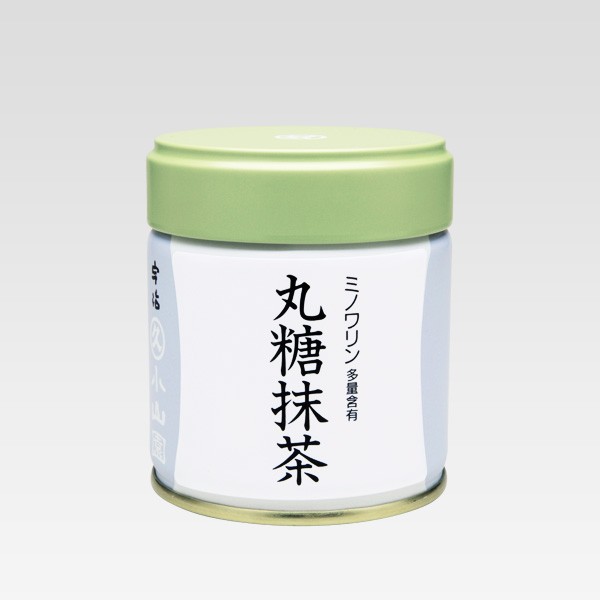
According to its description, this tea contains more minowarin, a compound studied by Professor Minowada Masuji in 1938, which lowers blood glucose levels and helps prevent type 2 diabetes. I had already seen some papers, for example on the increased insulin activity caused by certain tea compounds, so I was curious.
The tea was ordered, and I started my investigation. On the internet you can find two articles by Professor Minowada, but neither of them is available anywhere, not even behind a paywall, although there is no shortage of citations of those articles (around 10, including from 2022). But the citations are rather brief, and we do not even learn the chemical structure of this wonderful compound.
So I reached out to Marukyu Koyamaen for help in January. They said I would get a response within a week, but it took a bit longer. It was not until May 22 that I received a reply, when I had already stopped expecting one, and it was interesting enough to warrant this post.
The producer says that over the past few months they tried sending this matcha to several laboratories to determine its minowarin content (I would like to believe that I was the reason for this endeavor), but none of them were able to quantify this compound.
They also mention that the two articles I referred to above do exist, but they do not have access to them (well, who would be surprised). Their quality control department apparently has access to part of one of the articles, where Minowara claims that teas grown in red soils have a higher minowarin content (does this have something to do with iron content?), and it is precisely from such leaves that they make Marutou Matcha.
In their summary, they remind us that they do not promote this tea as a dietary supplement or medicine, although their description clearly states “minowarin contained in Matcha had been proven to be effective for lowering blood glucose levels.”
And while I agree that there is evidence for the beneficial effects of tea (not just matcha) on blood sugar levels and diabetes prevention, the whole situation with this tea is very strange. But the tea itself is very good, and whether it is worth overpaying for a theoretically increased content of an unknown compound is another matter entirely.
Title photo: Marukyu Koyamaen