· Scientific articles · 3 minutes
Rapeseed and shaded tea - brassinosteroids
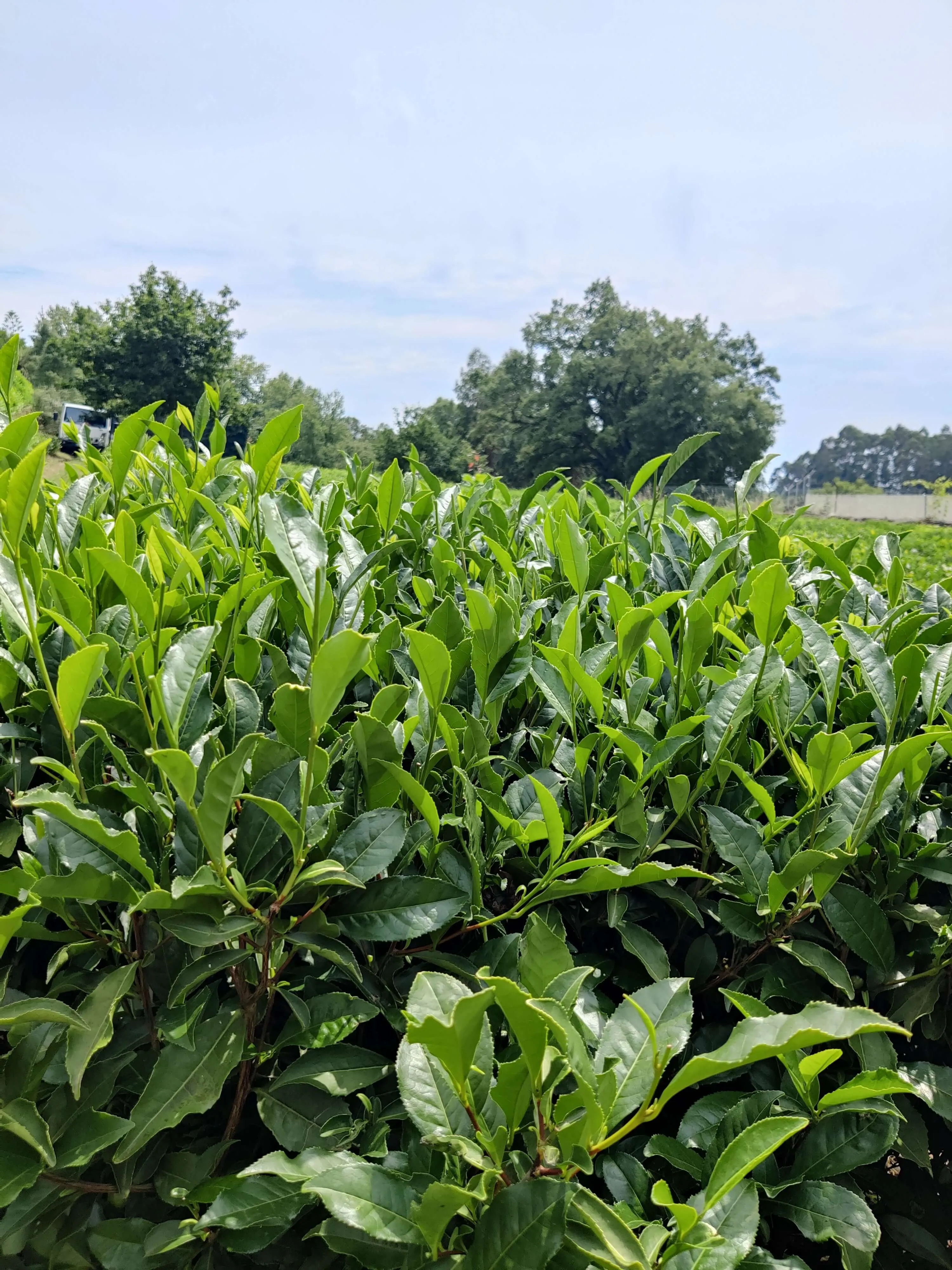
When talking about Japanese teas and their unique flavor, the shading process is often mentioned. It is an essential step in the production of teas such as gyokuro or matcha. A few weeks before harvest, up to 90% of the light reaching the plants is blocked.
Reduced light availability provokes the bushes to increase chlorophyll production, while theanine, responsible for the umami taste, cannot be broken down, and as a result catechin synthesis is reduced. This produces a better, less astringent tea.
However, there is a small problem — in order to survive, the tea bush tries to increase leaf surface area while barely producing new cells. This results in less “dense” leaves, but nonetheless this adaptation does not allow photosynthesis to proceed as efficiently as without shading, so yields can be up to 2 times lower.
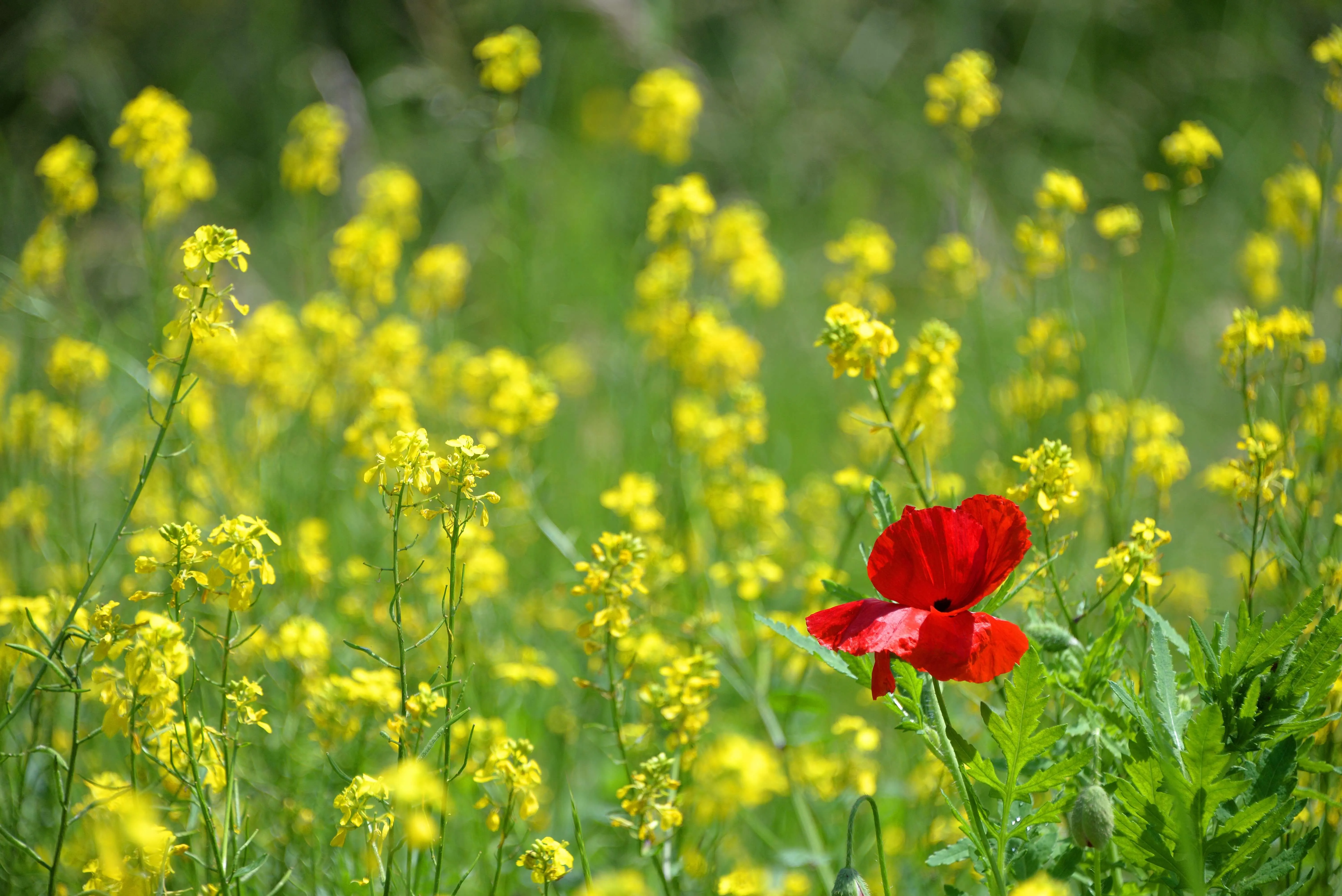
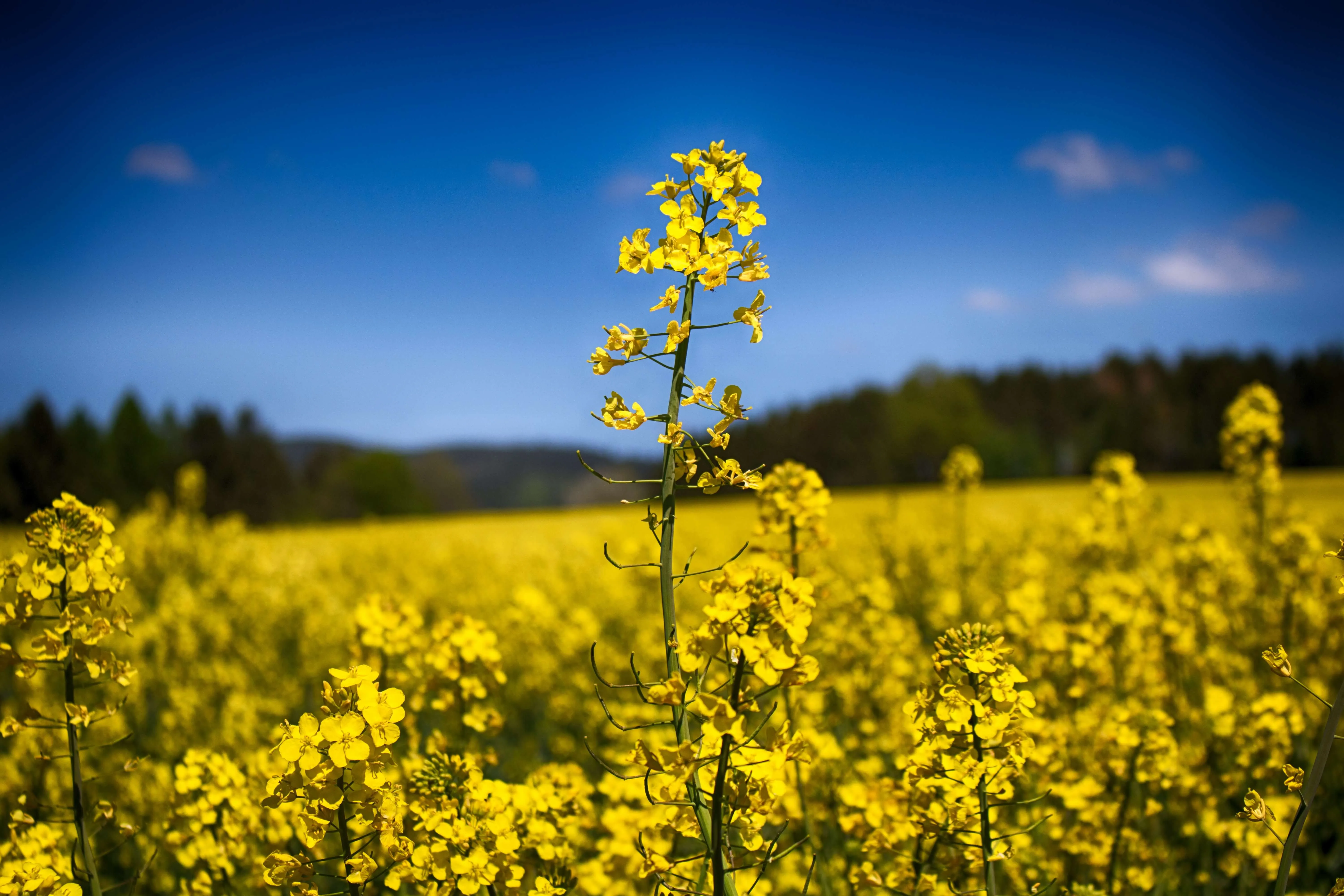
The application of plant hormones could potentially help increase yields without compromising flavor. Among the 6 groups of plant hormones, jasmonates and auxins are most commonly mentioned, but there are also plant equivalents of steroid hormones — brassinosteroids, which were first isolated from rapeseed pollen, hence the name. Even a very small amount of this compound is enough to produce an effect — from 230 kg of pollen, only 10 mg can be extracted. Just like human steroids, brassinosteroids have a very broad spectrum of action — they can increase resistance to low temperatures and viral diseases, and regulate cell division.
Chinese scientists decided to investigate whether the application of such compounds would affect the production of shaded tea. For the comparison, a rather unusual cultivar was chosen — the Taiwanese Jin Xuan, typically used for oolong production. For 2 weeks, 90% of light was blocked, and the bushes were sprayed daily with a solution of brassinolide. As controls, unshaded bushes and shaded bushes without steroid spraying were used.
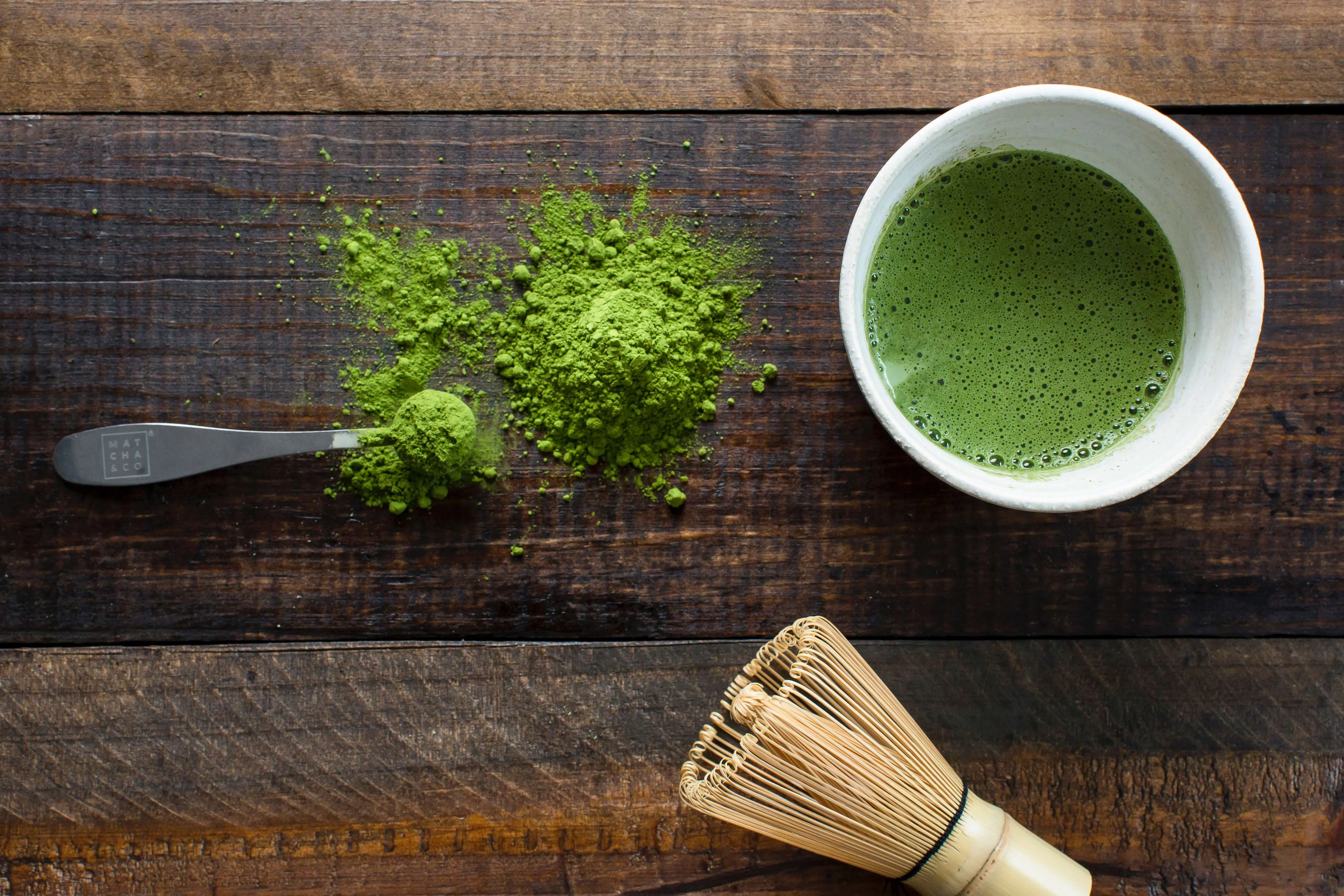
For comparison, a bud and two leaves were picked, and the tea was produced in the Chinese method — oxidation was stopped in a wok rather than with steam, as is the case in gyokuro production, for example. It turned out that, on one hand, shading increases nitrogen content, mainly in the form of amino acids, but decreases carbon content, mainly sugars. This is primarily a result of reduced photosynthesis rate, and the application of brassinolide significantly increases photosynthetic efficiency and carbon dioxide concentration in the bushes. As a result, bushes treated with brassinolide contain even more amino acids (+16%) and chlorophyll (+24%), as well as fewer catechins (-18%). At the same time, the concentration of the most important aromatic compounds is either significantly higher or the same as in regular shaded tea. And what about yield? Also a positive effect — the mass of 100 buds is nearly at the level of unshaded tea, and the number of buds is even higher.
In the future, the application of synthetic and natural brassinosteroids, along with finding the right balance between the percentage of shading and crop size, could be key to spreading shading as an effective method of improving tea quality.