· Scientific articles · 2 minutes
Mycotoxins in dark teas
In the article about fungi and bacteria in dark teas (heicha, puer), it was discussed that some fungi can produce toxins with mutagenic and hepatotoxic effects. Research from 2022 indicates that during tea brewing, aflatoxins are only detectable in the first infusion, suggesting that it is worth rinsing tea leaves before brewing, and also that tea leaves could potentially serve as a toxin absorbent.
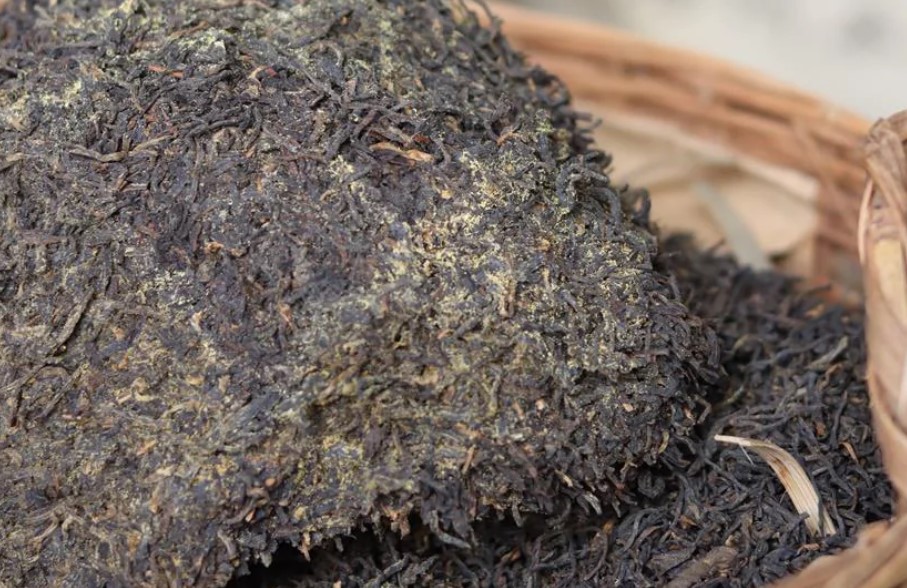
In the article about fungi and bacteria in dark teas (heicha, puer), I mentioned that some fungi present during the semi-fermentation of these teas can produce toxins which, accumulating in the body, may have mutagenic and hepatotoxic effects. At that time, the authors paid particular attention to patulin concentrations, which were present at a relatively high level (1000 ug/kg), though in brewed tea it would likely not exceed the safe threshold (50 ug/kg). Nevertheless, this is precisely the problem with most studies on toxin content in teas - they focus on the content in the leaves without taking the brewing process into account.
However, in November 2022, an article appeared in the journal Food Chemistry where the authors attempted to describe the process of releasing toxins from the aflatoxin family, taking brewing into consideration. Aflatoxins are produced by certain fungi of the Aspergillus genus under conditions of high humidity and temperature, exactly as occurs during the production of dark teas. Aflatoxins can interact with DNA, negatively affect the liver, and are also poorly soluble in water, which causes them to accumulate in the body.
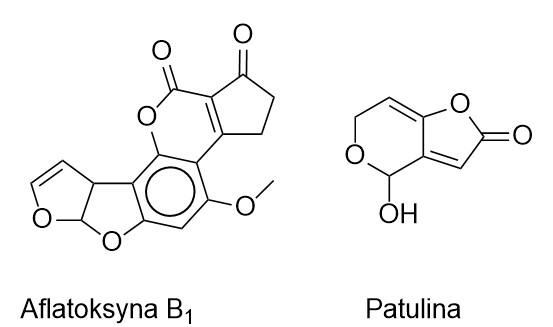
The authors selected 6 different dark teas, including puer and liubao, and added aflatoxins at known concentrations. The first interesting observation was that immediately after adding the toxins to the tea, up to 95% of the toxins could be extracted (using appropriate organic solvents, not water). However, after one month of storage, this percentage dropped below 50% using the same method, suggesting that the tea leaf matrix holds aflatoxins quite firmly, hindering their release.
And what about brewing with water? Unfortunately, the authors used a brewing method not very similar to brewing in a gaiwan, for example, but interesting conclusions can still be drawn. When brewing 5 grams of tea in 250 ml of water for 5 minutes, 2.94% of the added compound could be extracted, and most importantly, aflatoxin was only detected in the first infusion. The conclusion is the same - it is worth rinsing the tea before brewing. The authors also suggest that the high affinity of tea leaves for aflatoxin could serve as a basis for further research using tea as a toxin absorbent.