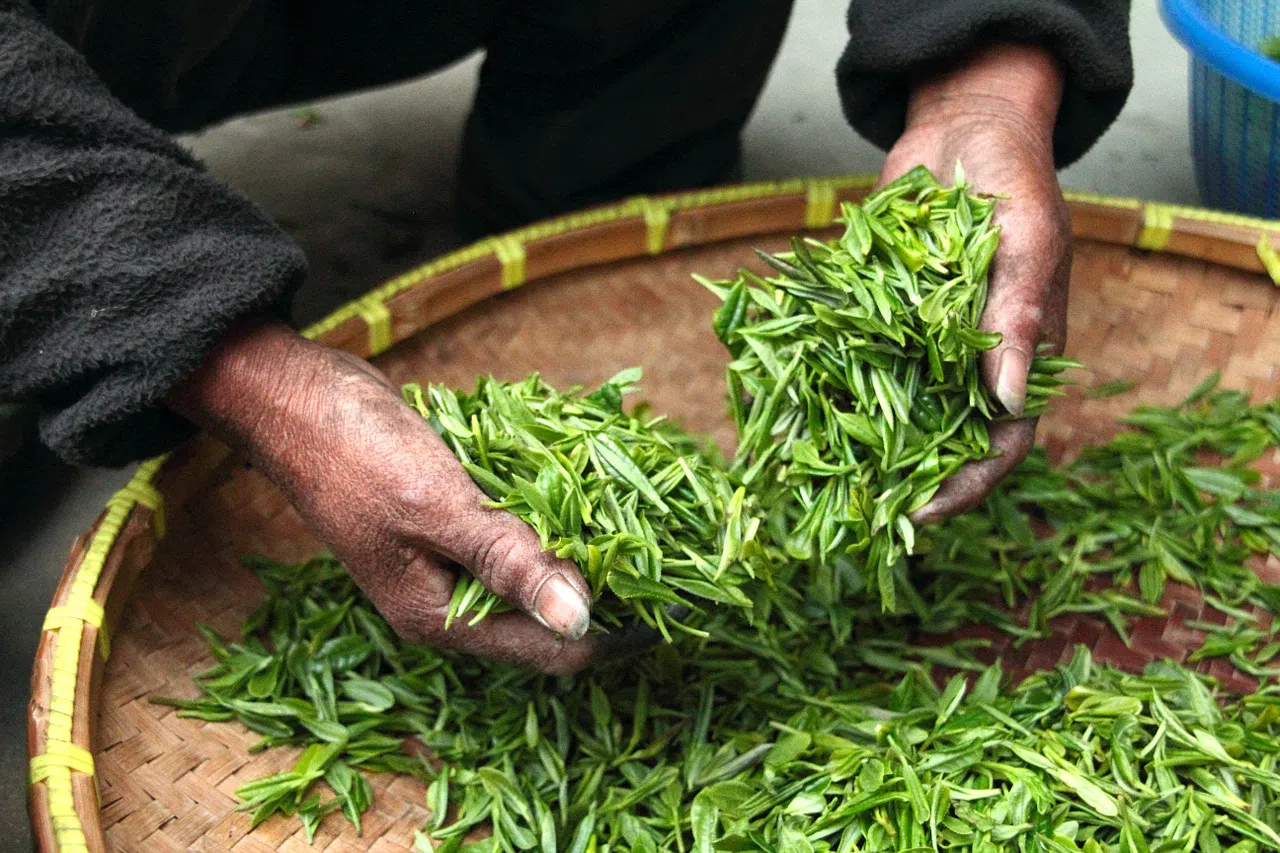
Tea Versus COVID-19
The days are getting colder, coronavirus infections are on the rise. So we drink more tea, and that is why I thought it would be useful to say a few words about the relationship between tea and SARS-CoV-2.
The days are getting colder, coronavirus infections are on the rise. So we drink more tea, and that is why I thought it would be useful to say a few words about the relationship between tea and SARS-CoV-2.
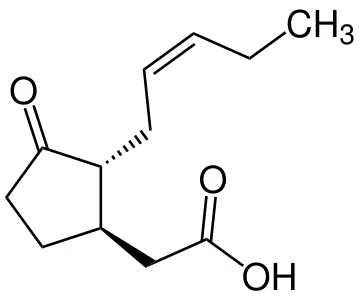
Mechanization of sencha production in Japan began in the 1920s. By the 1960s, systems streamlining tea production were already quite commonly used. After initial preparation of the leaves, such systems allow for accelerating rolling, steaming, and drying of tea, among other processes.
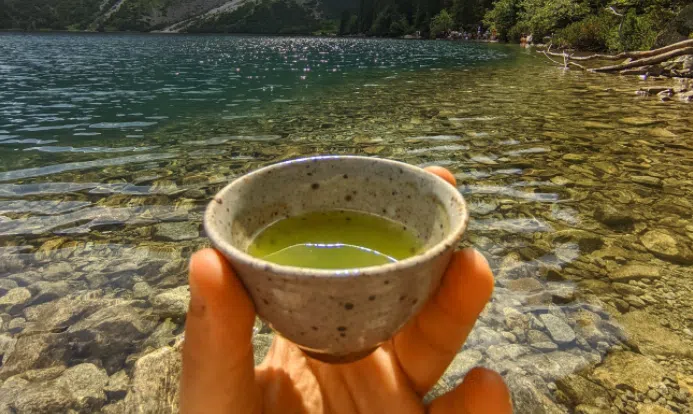
L-theanine is the most important amino acid in the tea plant, accounting for 40-70% of all free amino acids in tea and making a significant contribution to its taste, being responsible for sweetness and umami flavor.