· Tea chemistry · 5 minutes
Tea Versus COVID-19
The days are getting colder, coronavirus infections are on the rise. So we drink more tea, and that is why I thought it would be useful to say a few words about the relationship between tea and SARS-CoV-2.
The main targets of antiviral drugs are most often enzymes specific to viruses. For example, herpesvirus (Herpes simplex) thymidine kinase is the primary target of therapy for this virus.
Like other related coronaviruses, SARS-CoV-2 is an enveloped virus containing single-stranded positive-sense RNA. The virus has four main structural proteins, called spike protein (S), envelope protein (E), membrane protein (M), and nucleocapsid protein (N), as well as other non-structural proteins (Nsp). It is known that the SARS-CoV-2 virus infects host cells by binding to angiotensin-converting enzyme 2 (ACE2) using S proteins.
3CLpro, also known as the main protease (Mpro), is an important enzyme found in SARS-CoV-2 that is responsible for proteolytic function during the virus maturation stage and is absolutely essential for replication. Thus, the 3CL protease is considered the main target for anti-coronavirus drugs.
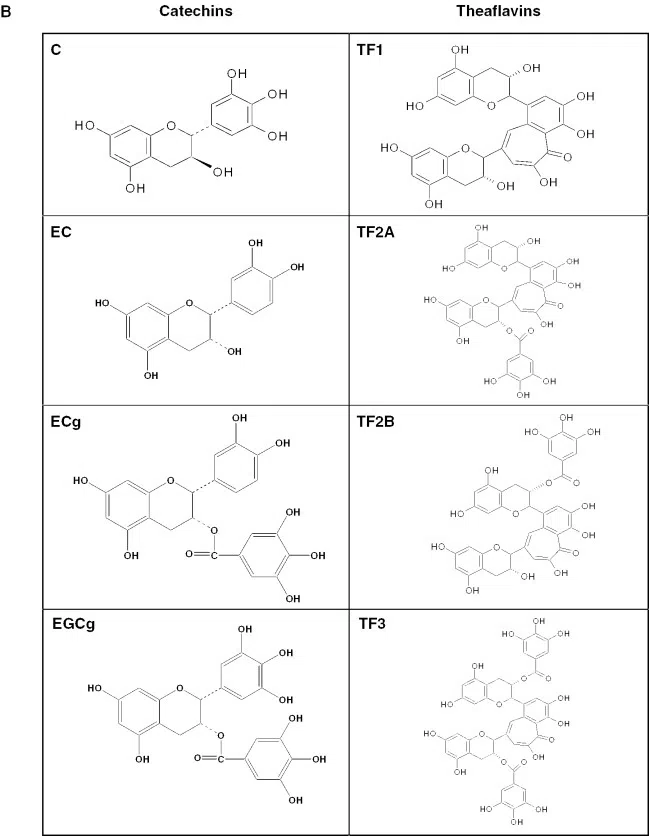
Epigallocatechin gallate (EGCG) is one of the most abundant catechins in Camellia sinensis, especially in green tea. EGCG has been tested for its antiviral activity against several viruses and has been found to be a potential treatment option compared to synthetic chemical drugs. It is recognized as a multifunctional bioactive molecule exhibiting anticancer, anti-inflammatory, antibacterial, antioxidant, and antiviral properties. In hepatitis C virus (HCV) infection, EGCG was found to inhibit infection by attaching to the target cell and preventing the spread of infection to subsequent cells (Calland et al., 2012). It has also been proposed that EGCG inhibits ZIKA virus entry through interaction with the lipid bilayer. EGCG has also proven effective against HIV-1 and inhibits virus replication by acting at various stages of its development. Among other things, it blocks the interaction of the viral glycoprotein gp120 with the CD4 receptor by interfering with reverse transcriptase, preventing virus entry into the cell.
Theaflavin derivatives found mainly in black tea are theaflavin (TF1), theaflavin-3-gallate (TF2A), theaflavin-3’-gallate (TF2B), and theaflavin-3,3’-digallate (TF3). All these TFs are studied for their bioactive properties and are known for a broad spectrum of biological activities, such as anticancer, antiviral, anti-inflammatory, antioxidant, and antibacterial properties. In the case of coronaviruses, RNA-dependent RNA polymerase (RdRp) is an important enzyme that catalyzes RNA replication. Remdesivir, a drug increasingly used in the treatment of COVID-19, is an RdRp inhibitor and exhibits a broad spectrum of antiviral activity against several RNA viruses, including Ebola, SARS-CoV, and MERS-CoV. Computational results indicate that theaflavins may also inhibit RdRp. Theaflavins, like EGCG, significantly inhibit 3CL protease activity in a concentration-dependent manner. The half-maximal inhibitory concentration of 3CLPro (IC50) for theaflavin was 8.44 µg/ml, slightly higher than that of EGCG (7.58 µg/ml).
One of the main questions, however, is whether effective levels of EGCG or theaflavin can be achieved in the body. The IC50 was calculated using the molar concentration of EGCG and theaflavin; IC50 equals 16.5 µM for EGCG and 15.0 µM for theaflavin. However, the maximum blood concentration of EGCG is less than 1 µM, and the maximum blood concentration of theaflavin is less than 0.1 µM, so it is unlikely that these compounds would be effective drugs. Nevertheless, contained in tea, they have a beneficial effect on the human body and may serve as a basis for developing potential pharmaceuticals.
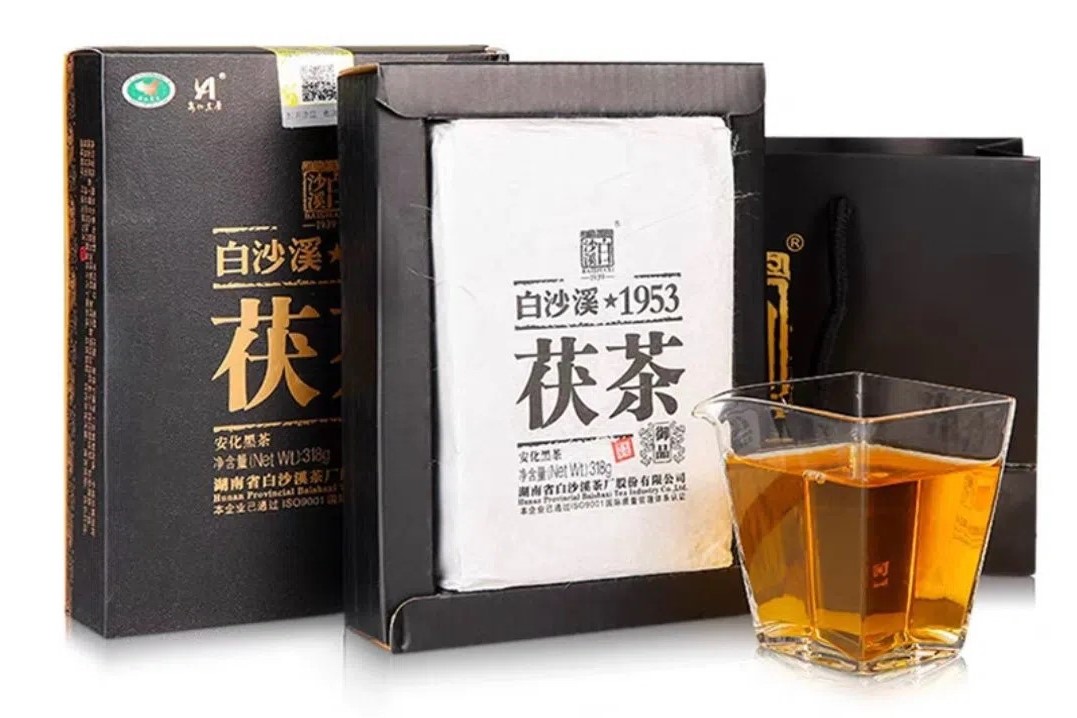
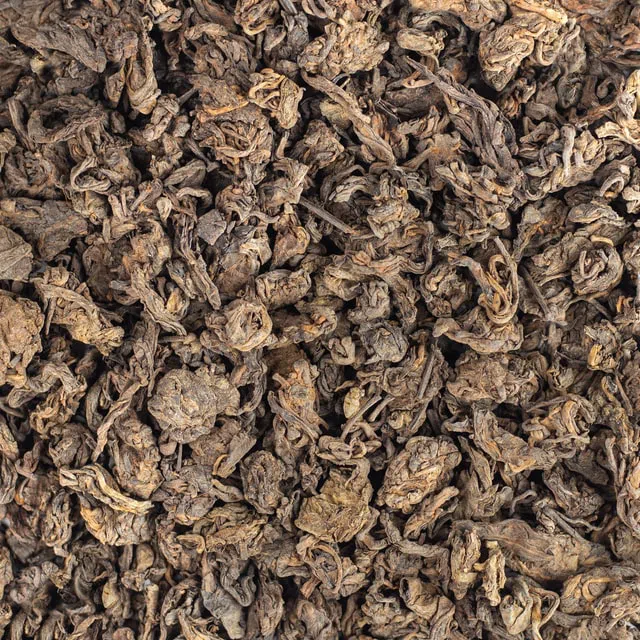
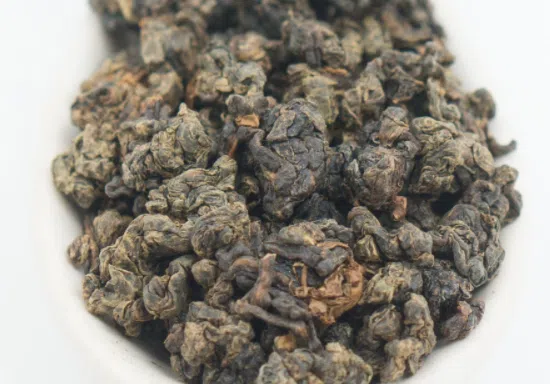
It has also been found that two other compounds present in tea have inhibitory effects: tannic acid (IC50 = 3 µM) and 3-isotheaflavin-3-gallate (TF2B) (IC50 = 7 µM). These two compounds belong to the group of natural polyphenols found in tea. Results indicate that extracts from pu-erh and black tea were more effective than those from green tea or oolong in their inhibition of 3CLPro. Unfortunately, the complex fermentation of pu-erh teas makes it very difficult to identify the compounds they contain.
Pulmonary fibrosis in COVID-19 patients occurs because SARS-CoV-2 infection triggers a massive increase in neutrophil concentration in the lungs, along with the production and activation of TGF-β (transforming growth factor). The uncontrolled increase in active TGF-β concentration through pro-inflammatory cytokines such as TNF-α (tumor necrosis factor), IL-6, and IL-1β causes rapid and massive edema and fibrosis that remodels and blocks the airways, ultimately leading to functional lung failure. After treatment with green tea extract, mRNA and protein levels of TNF-α decreased by 70% and 80%, respectively, suggesting that green tea has a significant preventive effect in diseases associated with TNF-α.
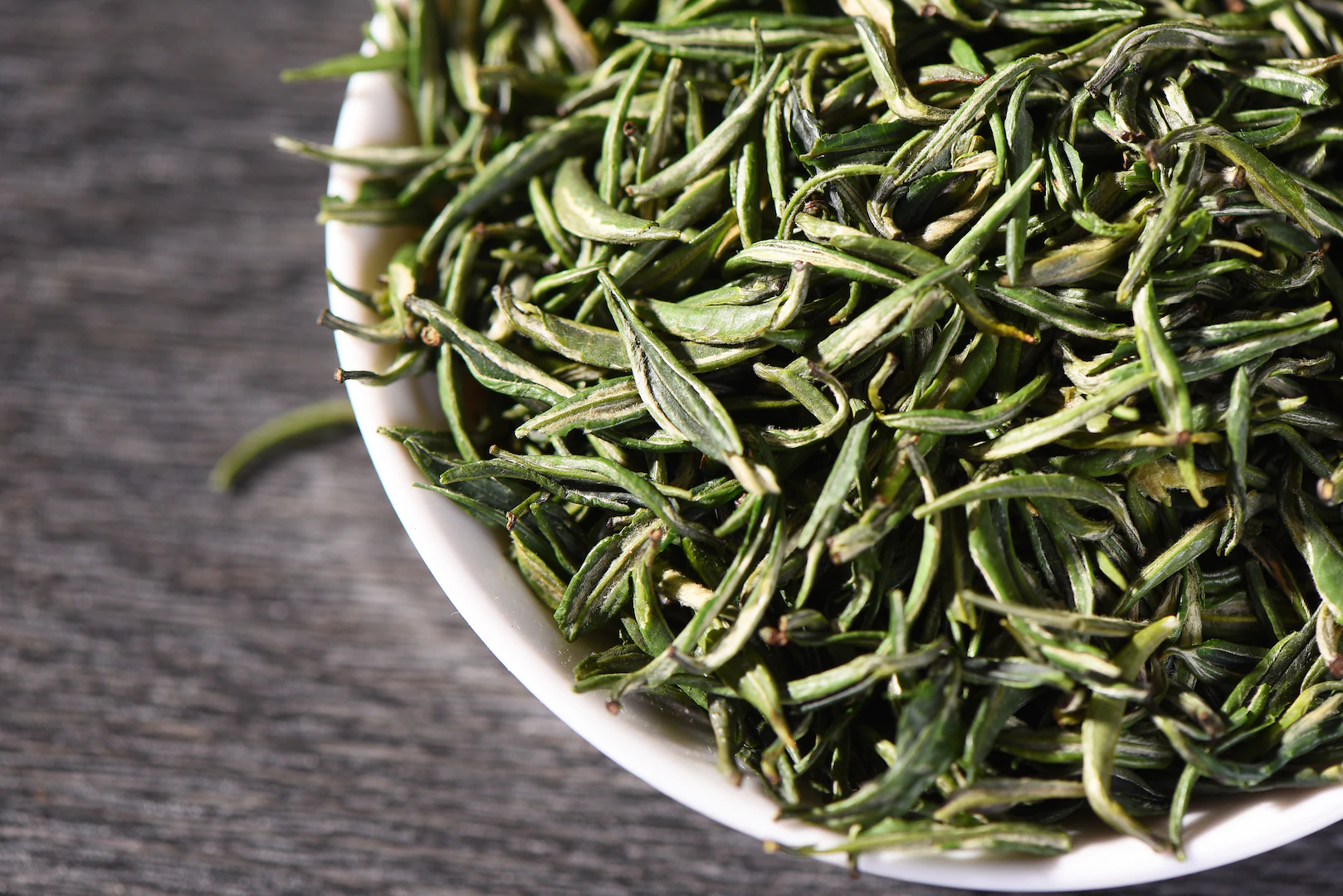
The most interesting case, from my point of view, is that of the green tea Ēnshī Yù Lù. This tea is unique if only because, for halting oxidation — the so-called Shāqīng (杀青), literally “killing the green” — instead of a wok, steam is used, the so-called zhēng qīng (蒸青), which is more or less the same method used in Japan for producing green teas. The uniqueness of this tea is also influenced by the soil on which it grows: in the Enshi region, the selenium content of the soil is significantly elevated, and as a result the content of this element in the finished tea is also elevated. Enshi Yulu contains 0.03–4.1 mg of selenium in fresh leaves and 0.08–0.12 mg of selenium in the finished tea. Specifically, selenium content reduces virulence (i.e., the ability to penetrate, multiply, and damage the tissues of an organism) of, among others, SARS-CoV-2. Many cellular and viral mechanisms involving selenium and selenoproteins can influence the pathogenicity of viruses, including the encoding by viruses of selenium-dependent glutathione peroxidase. Dietary selenium deficiency, which causes oxidative stress in the body, can alter the viral genome such that a normally mild or slightly pathogenic virus becomes highly pathogenic under oxidative stress. A comparison of selenium content in the hair of Chinese citizens outside Hubei Province in February of that year with recovery rates confirmed the positive effect of selenium.

This is only a small part of the connections between tea and biological processes, but even this shows how much we already know and how many discoveries still await us. Drink tea and stay healthy!