· Travel · 6 minutes
Cha Camelia - Portuguese tea not only from the Azores
In June 2023, while planning a trip to Portugal, specifically to Porto, I was hoping to find attractions that would catch the eye of a tea enthusiast.
Unfortunately, a quick Google search mostly turned up a lot of bubble tea spots. These are actually very good places, though — I especially recommend Gong Cha and Tea talk. They are pleasant venues where you can actually taste the tea in the drink, which is a rarity, at least in Poland. The cups from Tea Talk turned out to be so sturdy that I brought them home and still use them.
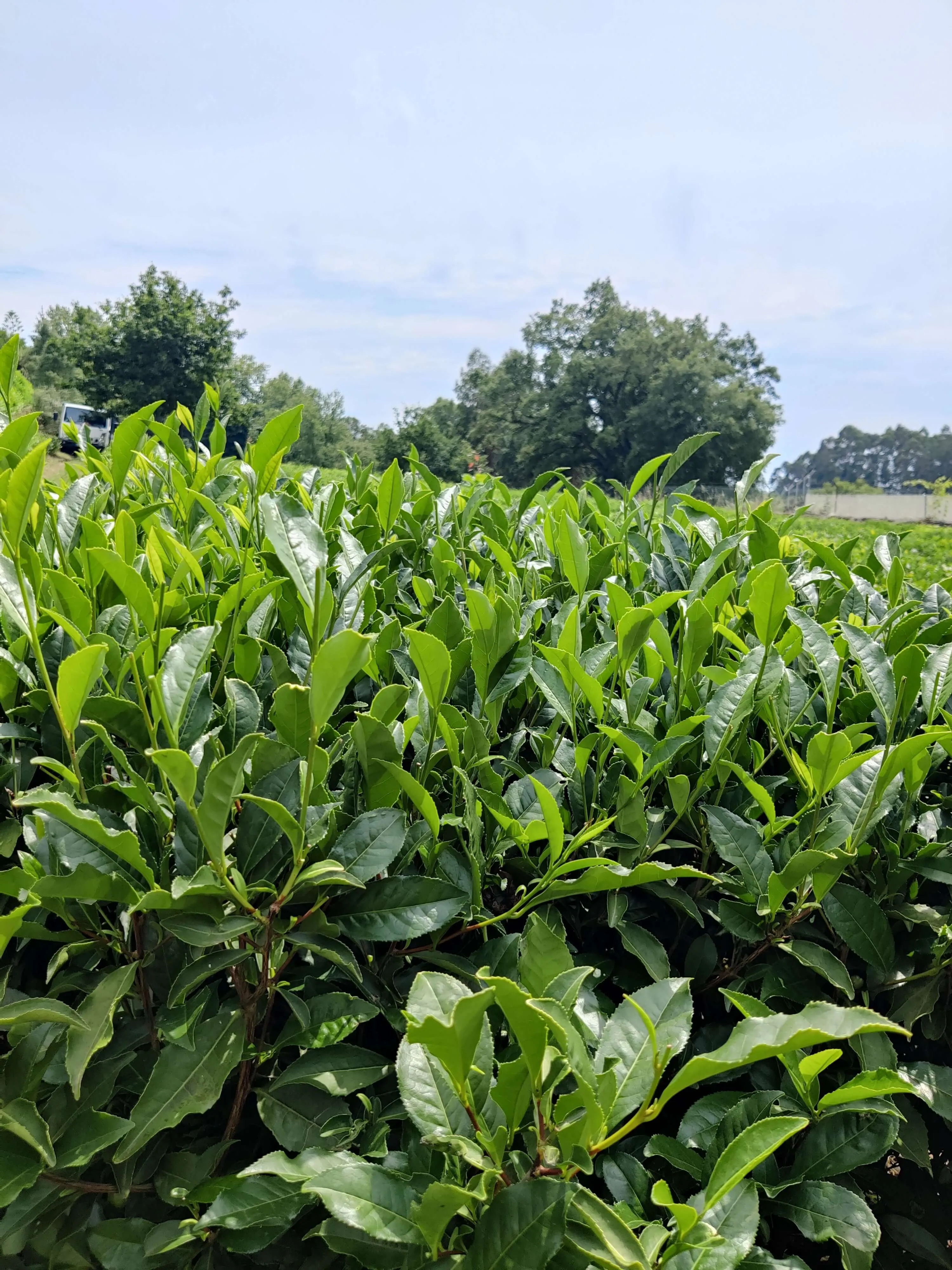
But back to the search — I knew that tea is grown in the Azores, so I was hoping to find something similar in continental Portugal. By searching tea groups, I managed to find information about a tea flower harvest in 2019 at a new plantation near Porto. I was close! Soon I found the name — CHÁ CAMÉLIA. It turned out they had a website and an Instagram profile, but most importantly — you could book a visit! (The cost is 75€ for groups of up to 4 people)
The plantation is located in Fornelo, about 20 km from the center of Porto. One of the more convenient ways to get there is to first take the metro to Trofa and then about 20 more minutes by taxi.
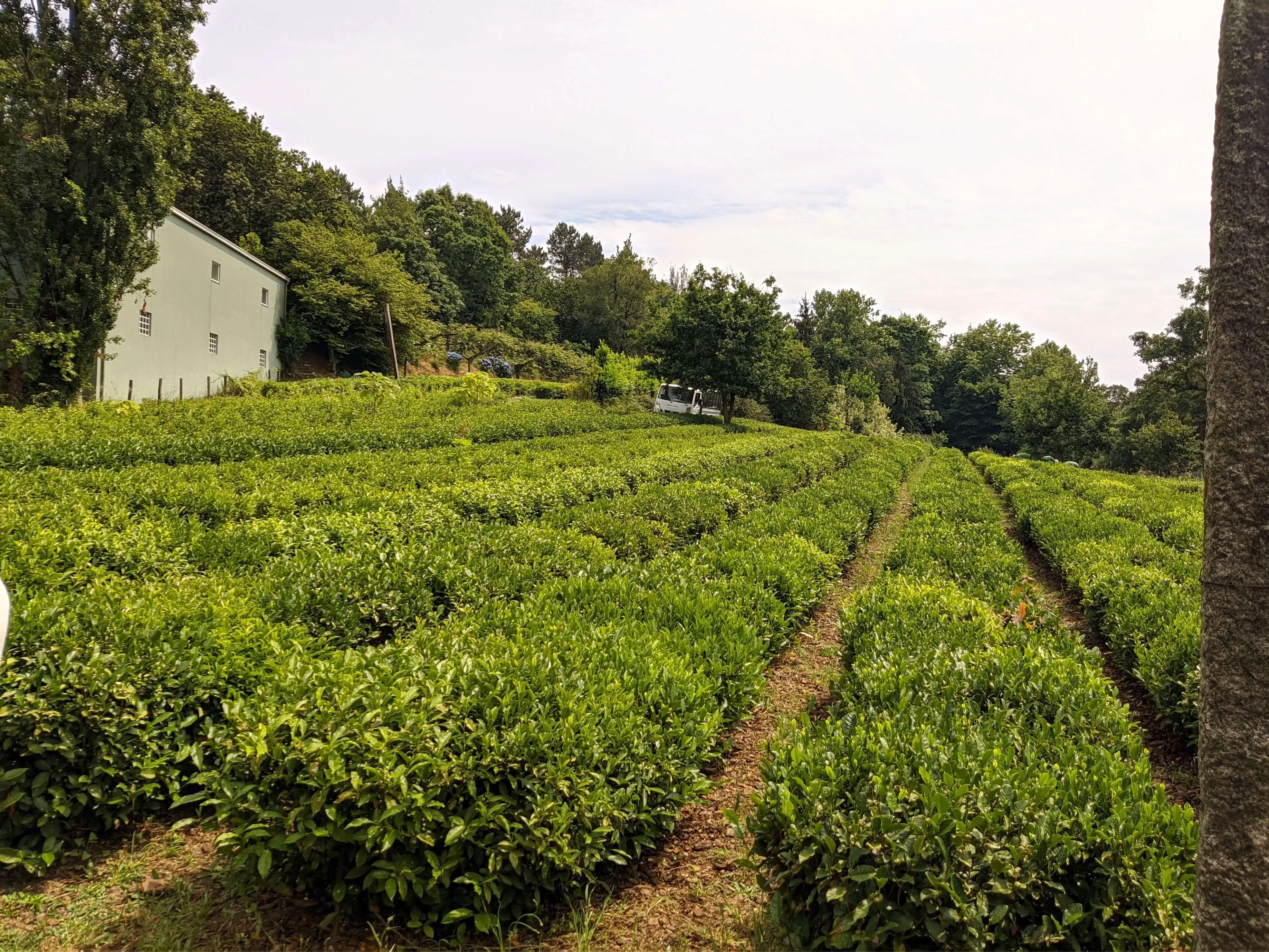
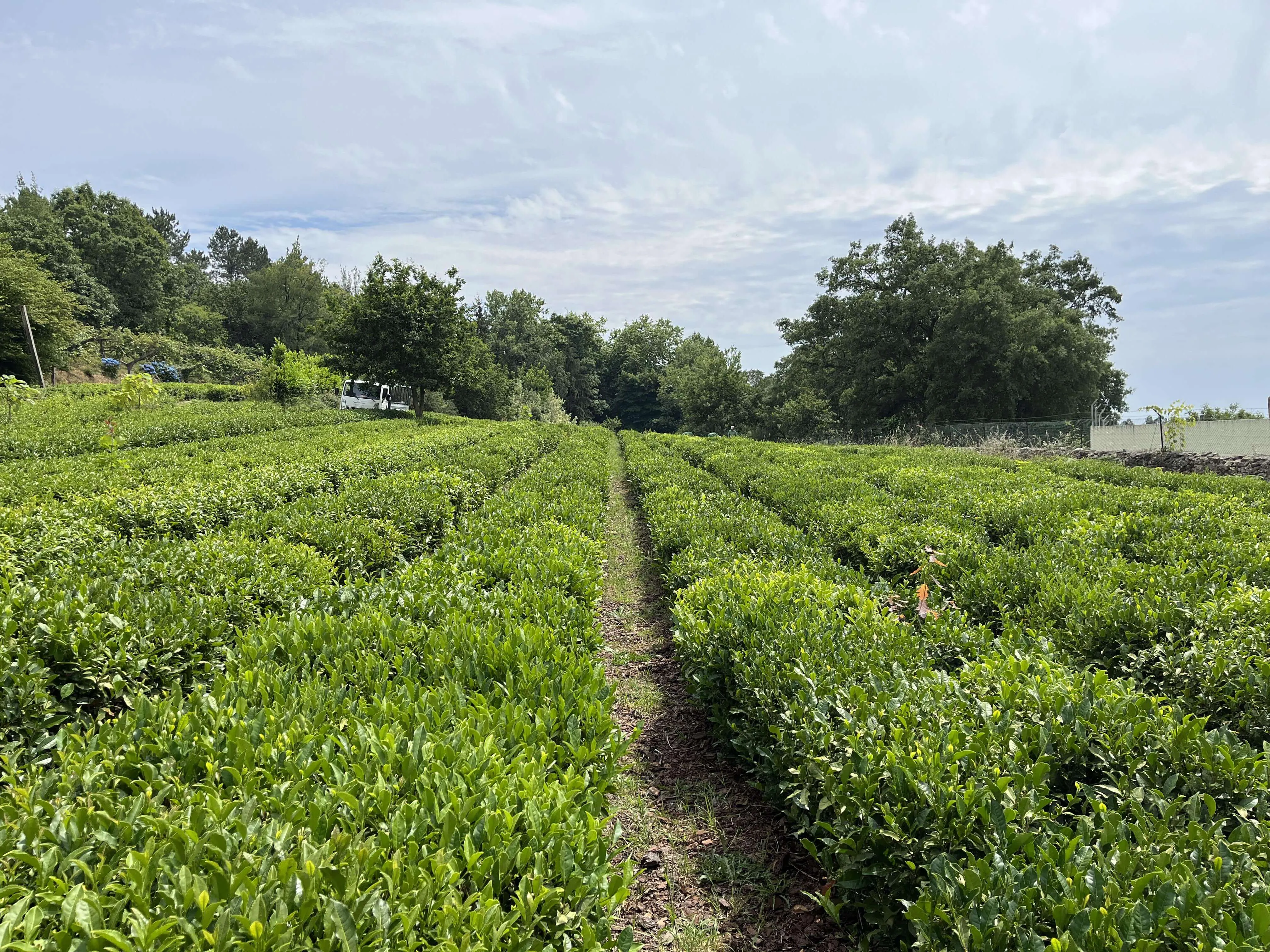
The plantation is run by Dirk Niepoort and Nina Gruntowski. From what we understood, the land originally belonged to Dirk’s family and was primarily used for growing grapevines and producing wine (and still is).
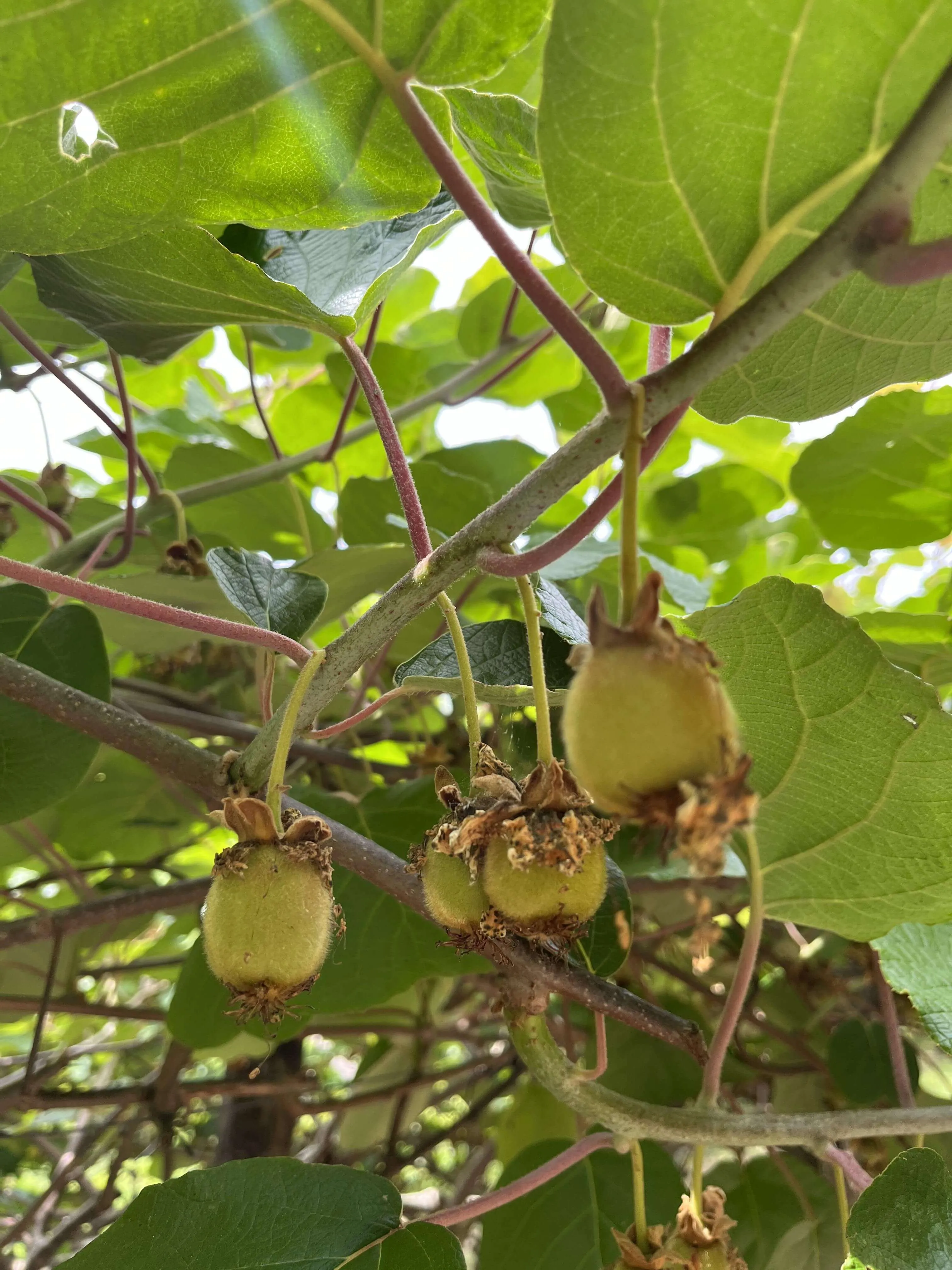
In general, Cha Camelia grows a variety of things beyond tea and grapevines — you can find rows of apple trees and kiwi plants as well. They grow apples only for personal use, but they dry and sell the kiwi, and I have to admit it was really good kiwi (although I’m not sure it wasn’t the first dried kiwi I’d ever had), so we had to buy an extra packet for the way back.
We visited the plantation on June 6, 2023 — it happened to be the day they were starting the tea harvest. We had hoped to also watch the production process, but unfortunately, for some reason, we could only observe the leaf processing from a distance.
The bushes we saw on the plantation belonged to one of three categories:
- Bushes originating from Japan
- Bushes grown from seeds that germinated in Portugal
- Bushes collected from around Porto
Cha Camelia focuses on producing green tea, which they learned to make partly from a Japanese family. These were the first bushes on their plantation. When I heard about the bushes from Japan, the question immediately came to mind — which cultivar is it? Could it be the ubiquitous Yabukita? Unfortunately, they did not want to answer this question, which is quite common in an era of transparency, claiming it was a secret. I can only speculate about the reason, but perhaps it is less important.
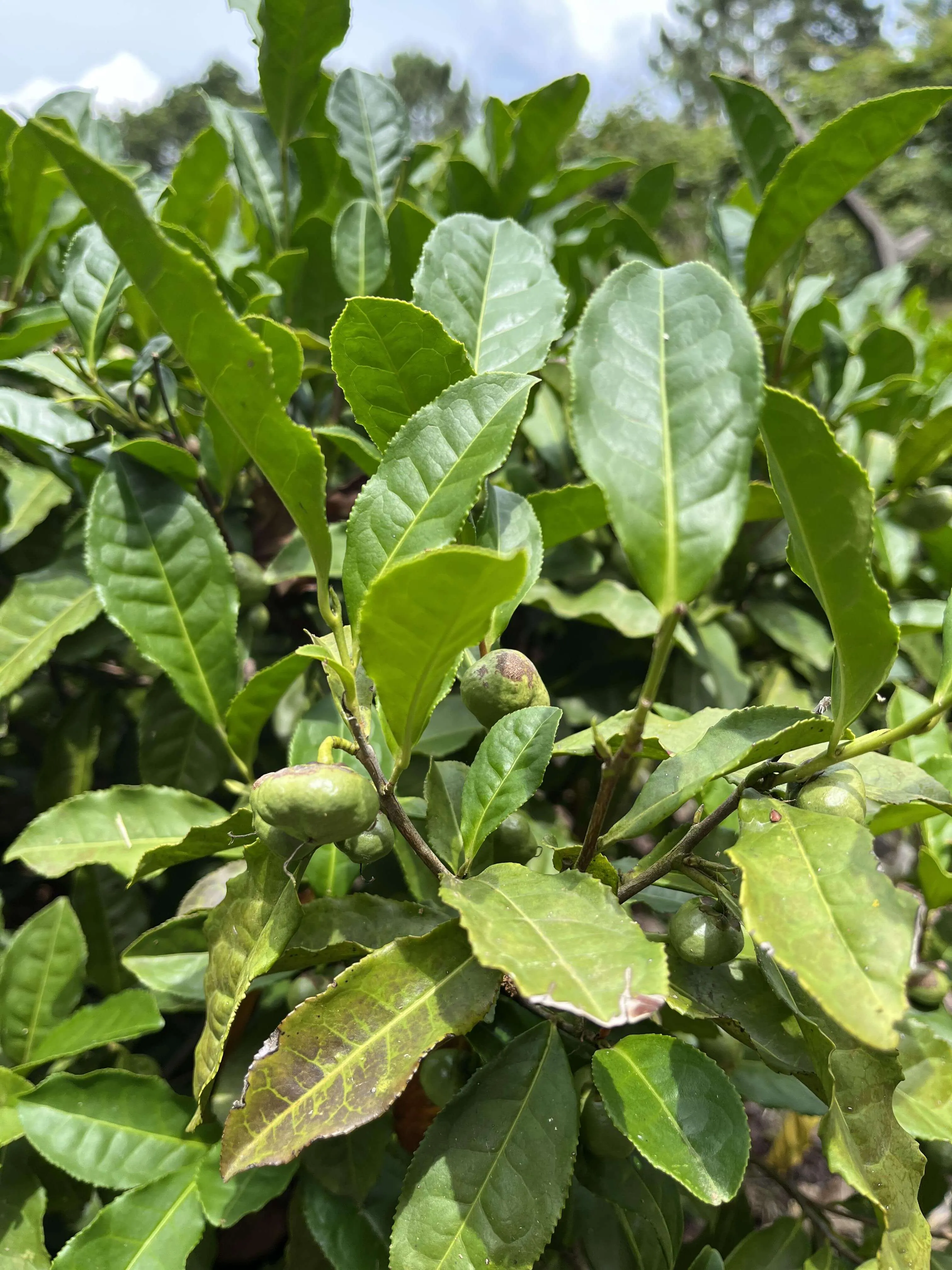
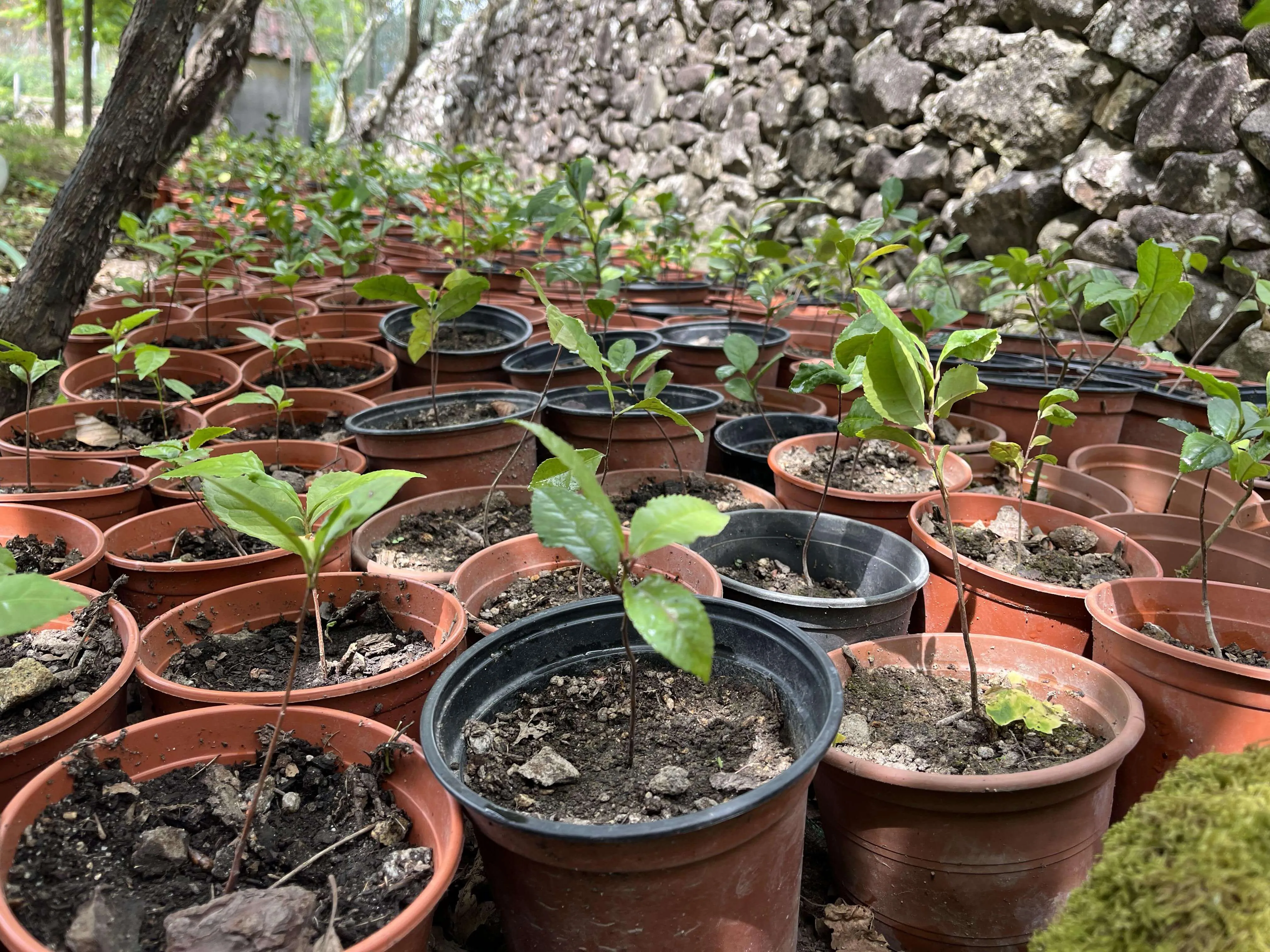
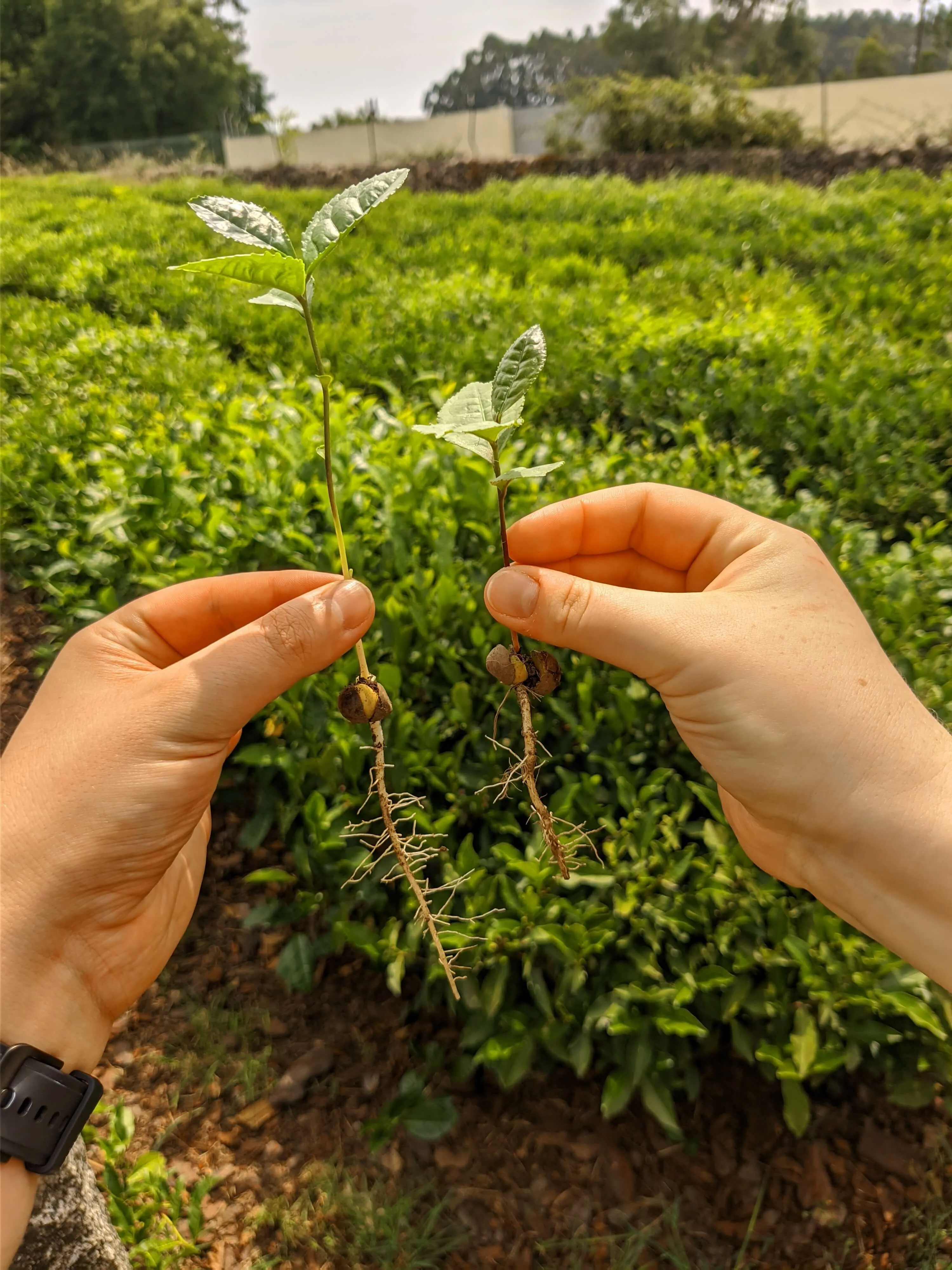
Seedlings from seeds are being produced on the plantation in ever-growing quantities (I believe you can even purchase them). At home, I have tried to germinate tea several times, but always without success. Cha Camelia also had problems with this — with traditional germination methods, the success rate was very low. The solution turned out to be surprisingly simple: tea plant nuts naturally fall to the ground and some of them germinate on their own, and then the mini-seedlings can be transplanted into pots. This method became the main source of new seedlings on the plantation.
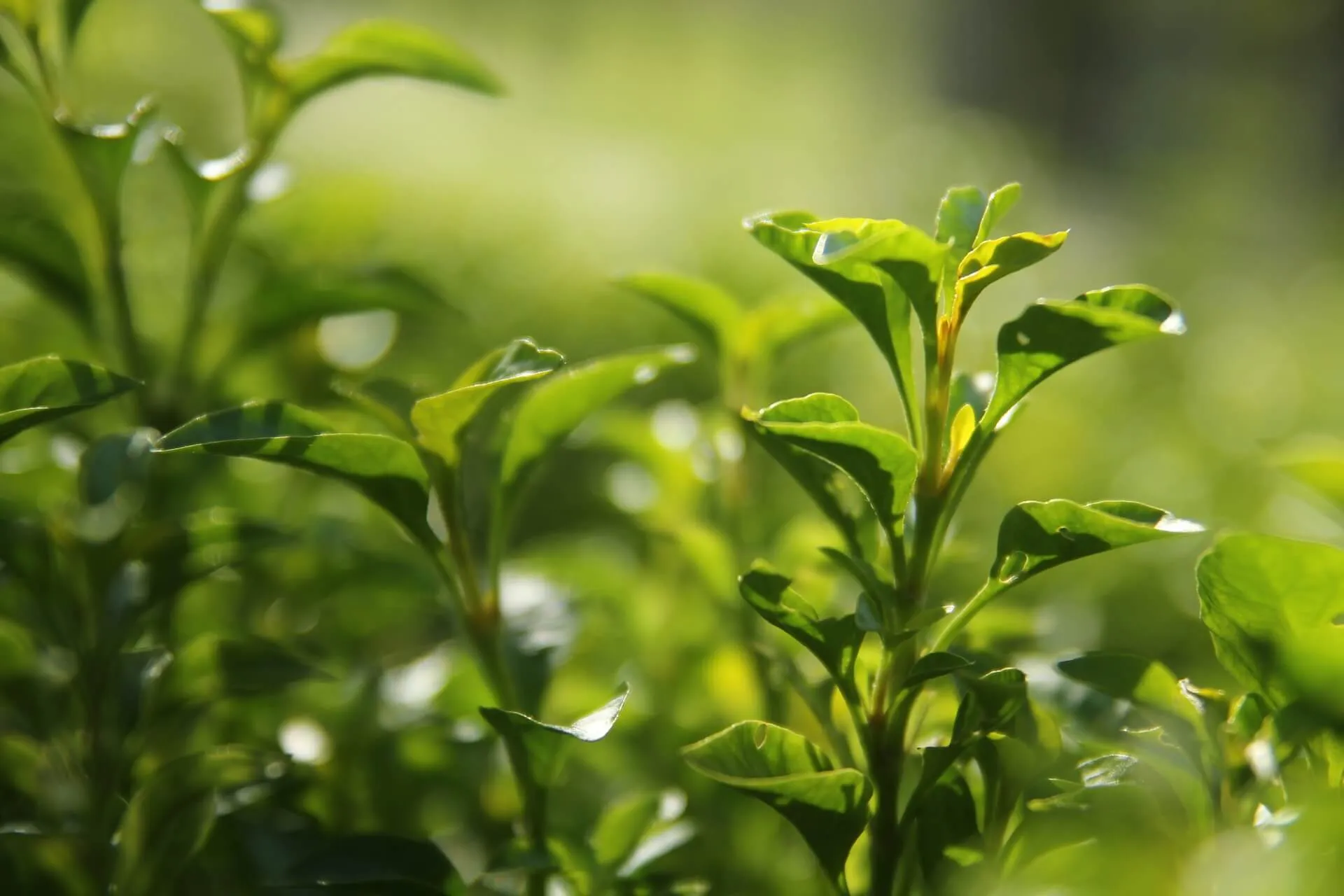
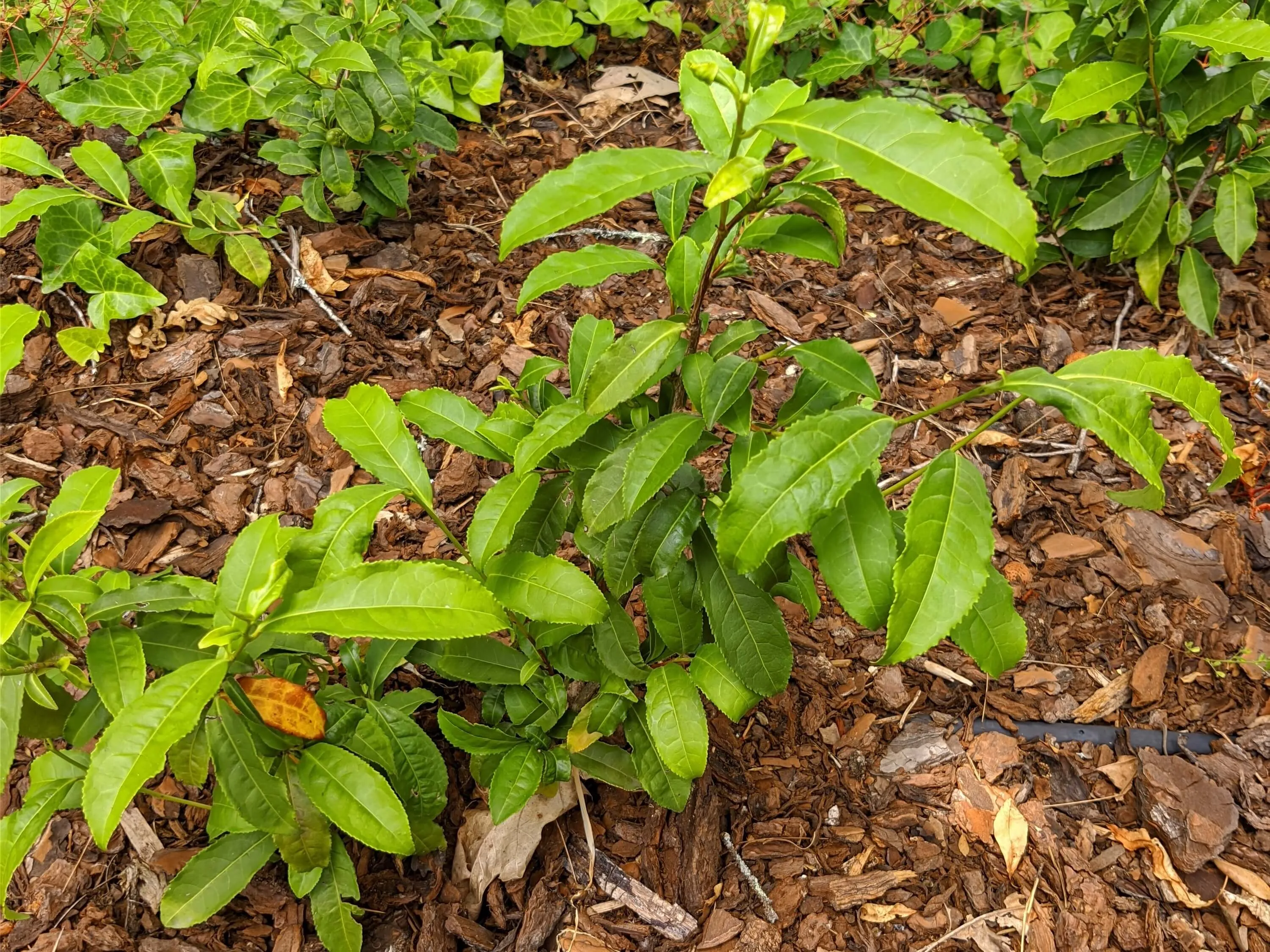
The third group was a small surprise. It turns out that camellia as an ornamental plant is very popular in the Porto area. Camellia appeared here at the beginning of the 19th century, and in favorable conditions it quickly gained popularity — by the middle of that century, the poet Carducci Giusuè wrote that “Porto is a thing flowing among camellias.” It turned out, however, that among the ornamental camellias in collections one could also find Camellia sinensis, more beloved by tea enthusiasts, and that is exactly what the Cha Camelia team took advantage of.
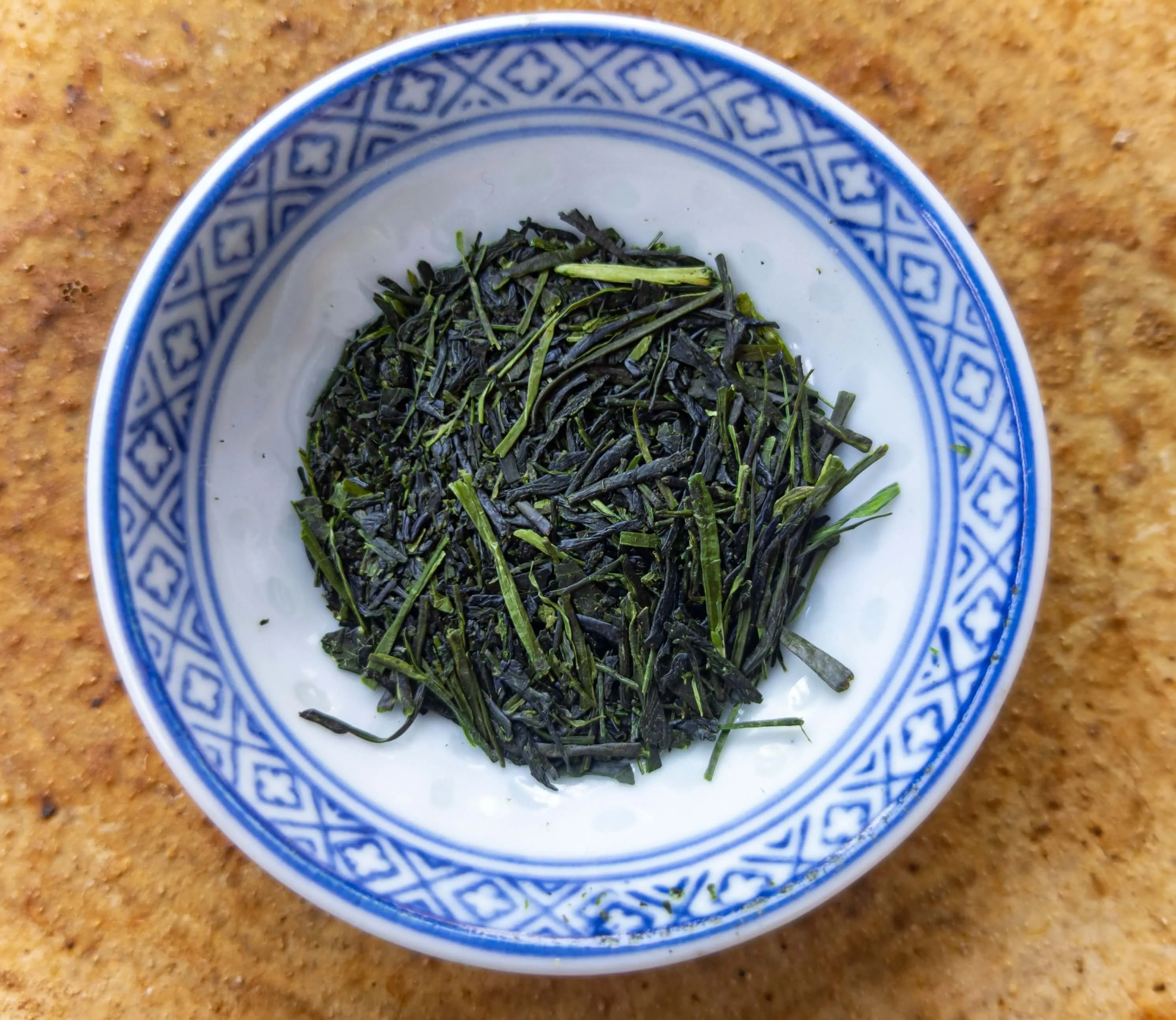
We also had the opportunity to taste their teas. Cha Camelia mainly produces green teas, including flavored ones, but in a more refined way — for example, sencha with dried rose from the plantation.
The first ones were Kintsugi Cha — a green tea from the first harvest, and Luso Cha — from the second. These teas were not particularly remarkable; they lost flavor too quickly, and even the first infusion seemed watered down. I think this may be related to the fact that large-scale tea production at this location is relatively new and needs more time to mature. I believe it will get better!
Next was Rosa do Oriente. On the plantation it is classified as a green tea, but in practice it is closer to oolongs. The leaves, left to oxidize for a few hours, develop a beautiful red edge while the rest of the leaf remains green. This tea was my favorite. It can be steeped longer, and its taste is reminiscent of light oolongs such as Baozhong. It is fresh and very floral.
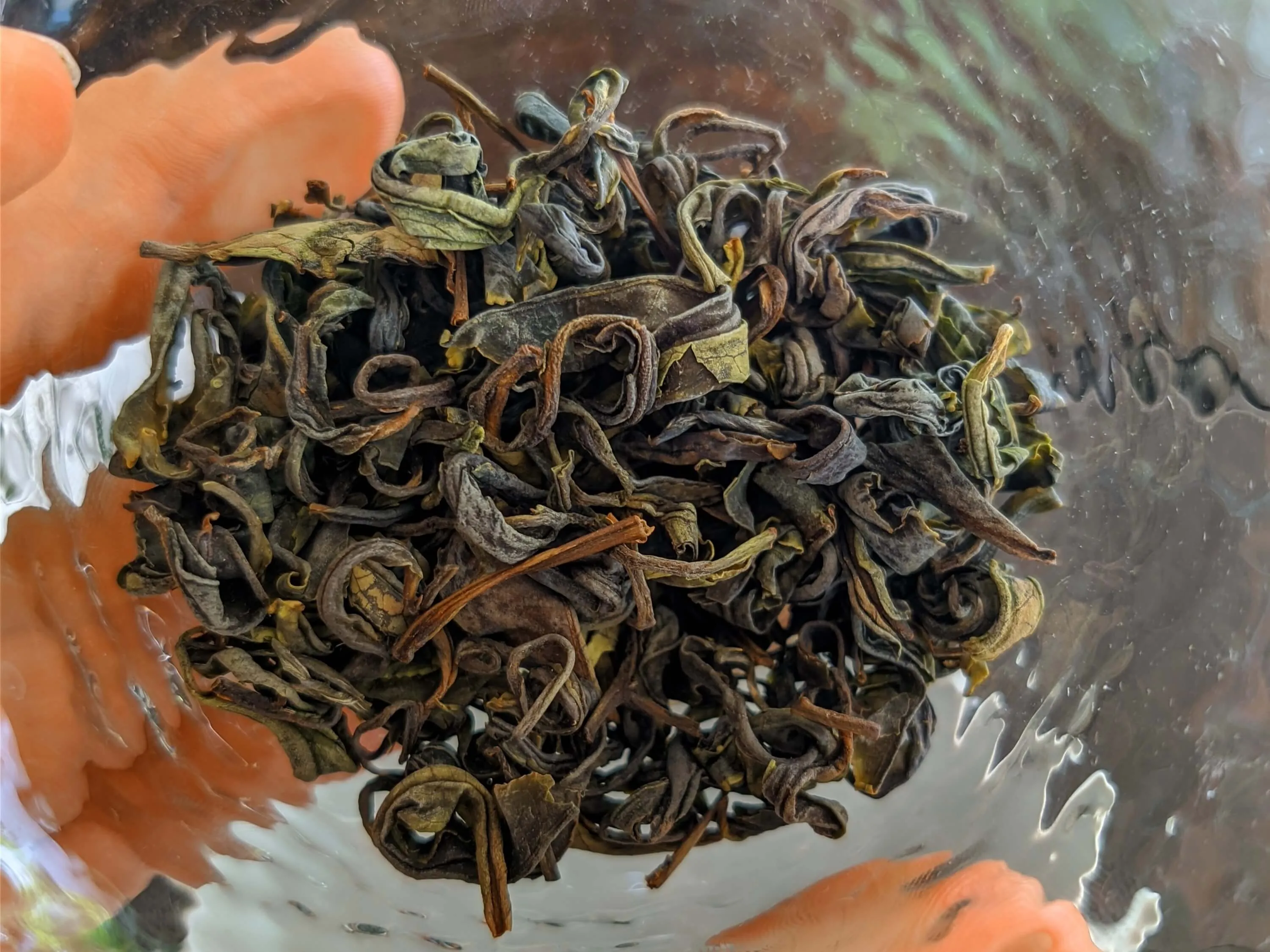
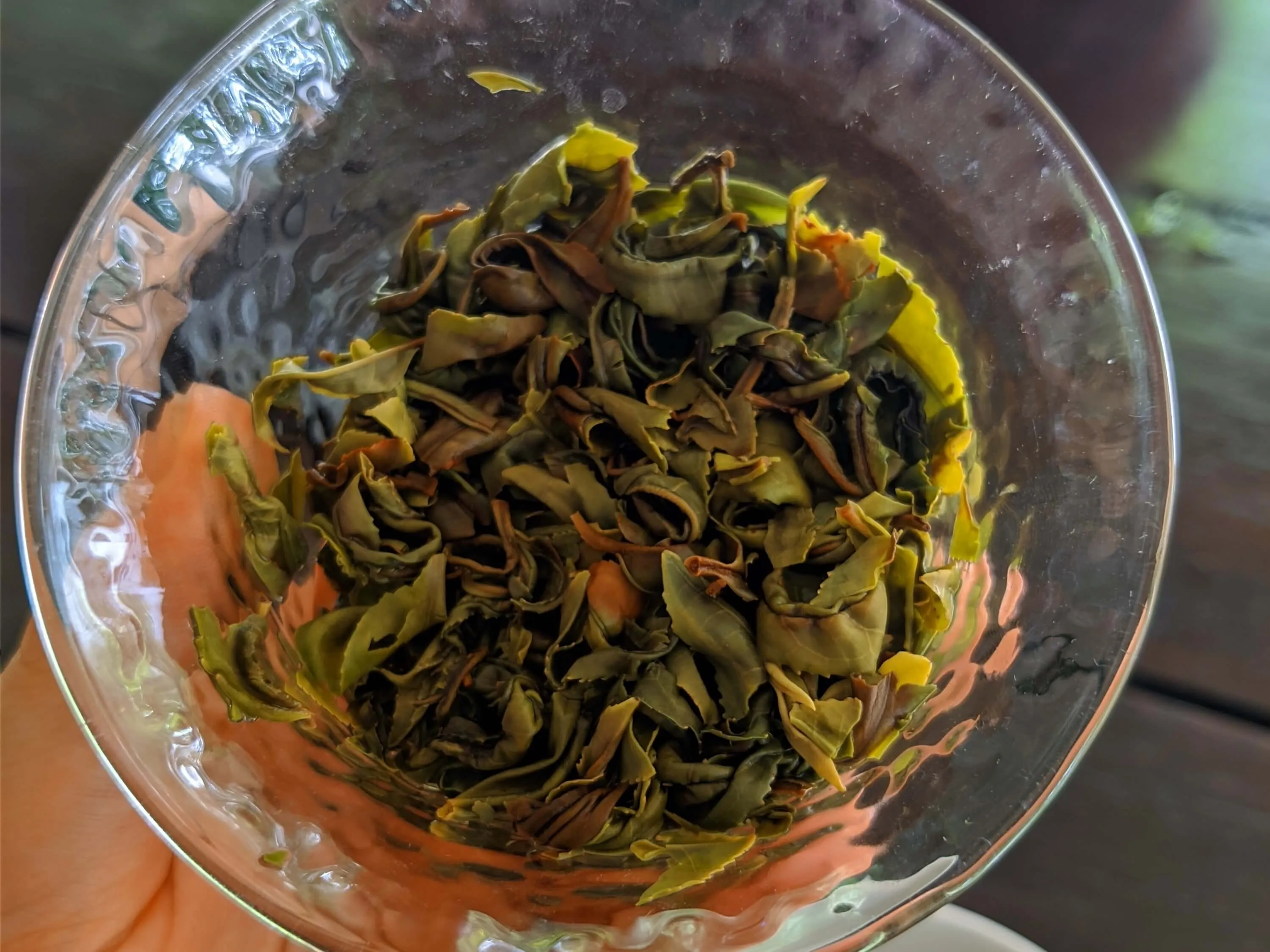
The last tea we tasted was Pipa Cha — a dark oolong aged in port wine barrels. The base of this tea is a Chinese oolong (we could not find out exactly which one, but it resembles Baihao in appearance). This tea was the hardest to evaluate. On one hand, its flavor is something entirely new — intensely fruity with a slight tartness, almost reminiscent of compote, and it distinctly conveys the organoleptic characteristics of port wine. However, it seems that the barrel completely overpowered the taste of the tea, which is reminiscent of the bubble tea situation (I could not resist the analogy). That was my main issue with this tea. It is neither good nor bad — the tea is still unique and worth trying. Although it is probably no longer available from the producer, you can find it (even in Poland, who would have expected) at teasome.
Overall, the trip was a good experience — the only shame was that we could not see the production process. If you are in Porto, I highly encourage visiting this plantation — 20 km is, after all, much closer than the Azores.