· Scientific articles · 1 minute
Tea extract in chip production
In the journal Foods, published by MDPI, an article was published in January 2023 in which the authors examine the effect of various tea extracts on the amount of harmful substances in potato chips.
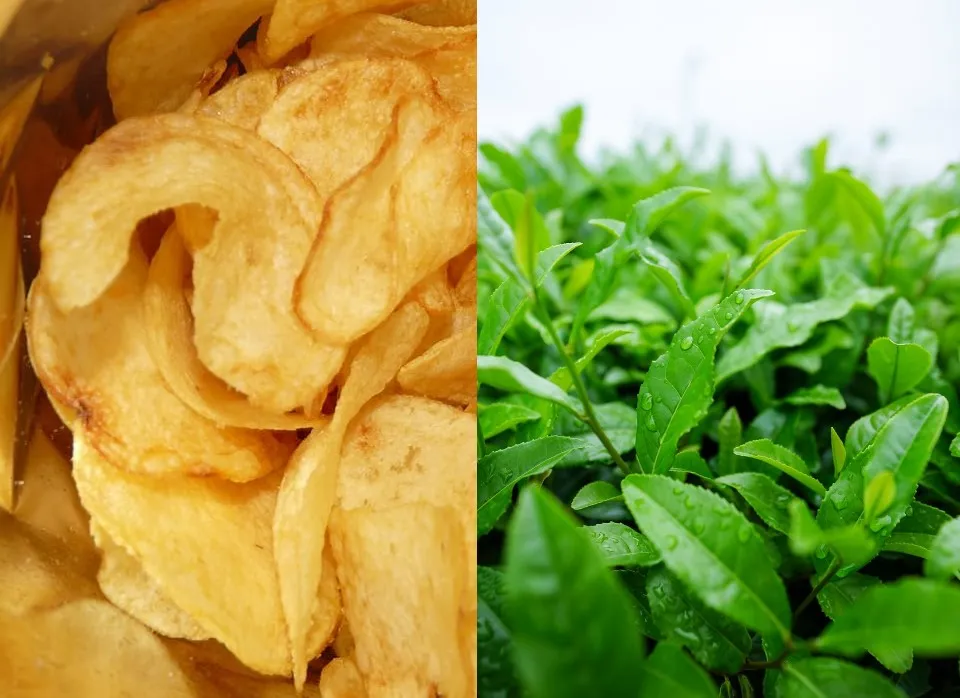
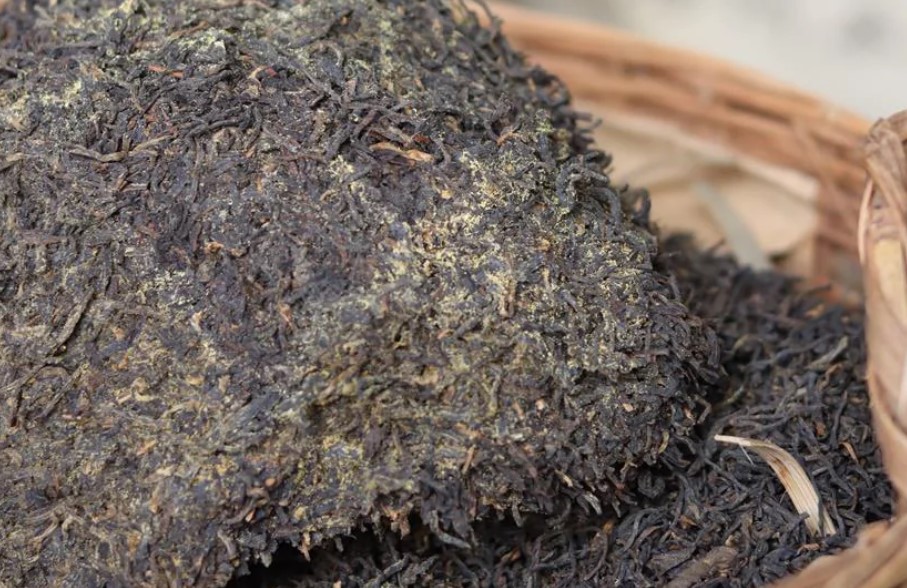
An interesting fact is that in addition to fresh teas (white, black, and oolong), last year’s tea and tea dust were also used (all teas were ground before extraction).
Cut potatoes were soaked in aqueous extracts of these teas for 1 hour before frying (100g of potatoes per 1L of extract). The effect of different tea concentrations (from 10 to 50 g/L) on the content of the studied compounds was also compared.
The main focus was on compounds that can contribute to the formation of AGEs (advanced glycation end-products), which in turn play a significant role in the development of certain diseases (diabetes, cardiovascular diseases, cancers).
It turned out that green tea dust at a concentration of 50g/L can reduce the concentration of some AGE precursors by up to 70%, the concentration of already formed AGEs by 42%, and the concentration of the potentially carcinogenic hydroxymethylfurfural by 73%.
This is a very interesting way to utilize tea industry waste, other than packing that dust into tea bags.
Source: Wang, W.; Wang, H.; Wu, Z.; Duan, T.; Liu, P.; Ou, S.; El-Nezami, H.; Zheng, J. Reduction in Five Harmful Substances in Fried Potato Chips by Pre-Soaking Treatment with Different Tea Extracts. Foods 2023, 12, 321. doi