· Tea chemistry · 6 minutes
On tea leafhoppers. Details of the interaction between Empoasca (Matsumurasca) onukii Matsuda and other species with tea leaves
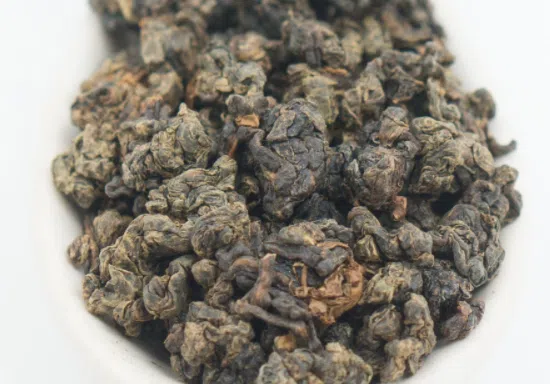
Last week many people were drinking Taiwanese oolong Dong Fang Mei Ren, in the production of which leafhoppers play an important role, so it would be useful to talk about them.
Many substances that influence the aroma and taste of tea are formed from less volatile and more chemically stable precursors contained in tea plant shoots under specific conditions — for example, during mechanical damage. These processes are part of evolutionarily shaped mechanisms that protect plants from pests, pathogenic bacteria and fungi, etc. Some technological operations in tea leaf processing aim to activate these mechanisms and release flavor and aroma compounds. Unfortunately, on the Internet this most important topic is often avoided and replaced with “degree of fermentation.”
Interactions between insects and plants (including tea plants), mediated by volatile substances, have been studied by scientists for a long time. Plant responses are caused both by mechanical damage itself and by substances unusual for healthy plants, called elicitors. Elicitors can play a signaling role by interacting with receptors in plant cell membranes, recognizing them and triggering a cascade of defensive reactions. Moreover, these compounds can be either exogenous, produced by insects (e.g., caeliferins), or endogenous, occurring in the plant after it is damaged (e.g., inceptins). To some extent, this can be compared to the human immune system’s response to contact with an antigen and autoimmune processes. There are elicitors used in agriculture to increase plant resistance to harmful factors — for example, chitosan, which is part of the chitinous exoskeleton of insects and fungal cell walls; it does not harm plants but stimulates defensive reactions. This can be compared to vaccination (to some extent).
However, other mechanisms of elicitor action are also possible. For example, beta-glucosidase secreted by some caterpillars interacts directly with glycosides contained in plant tissues, forming volatile substances that in turn attract parasitoid wasps, which lay their eggs in the bodies of caterpillars.
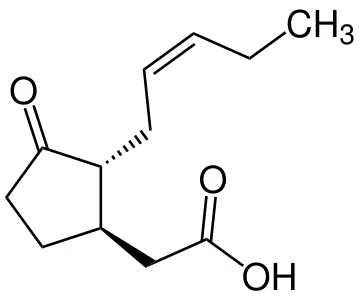
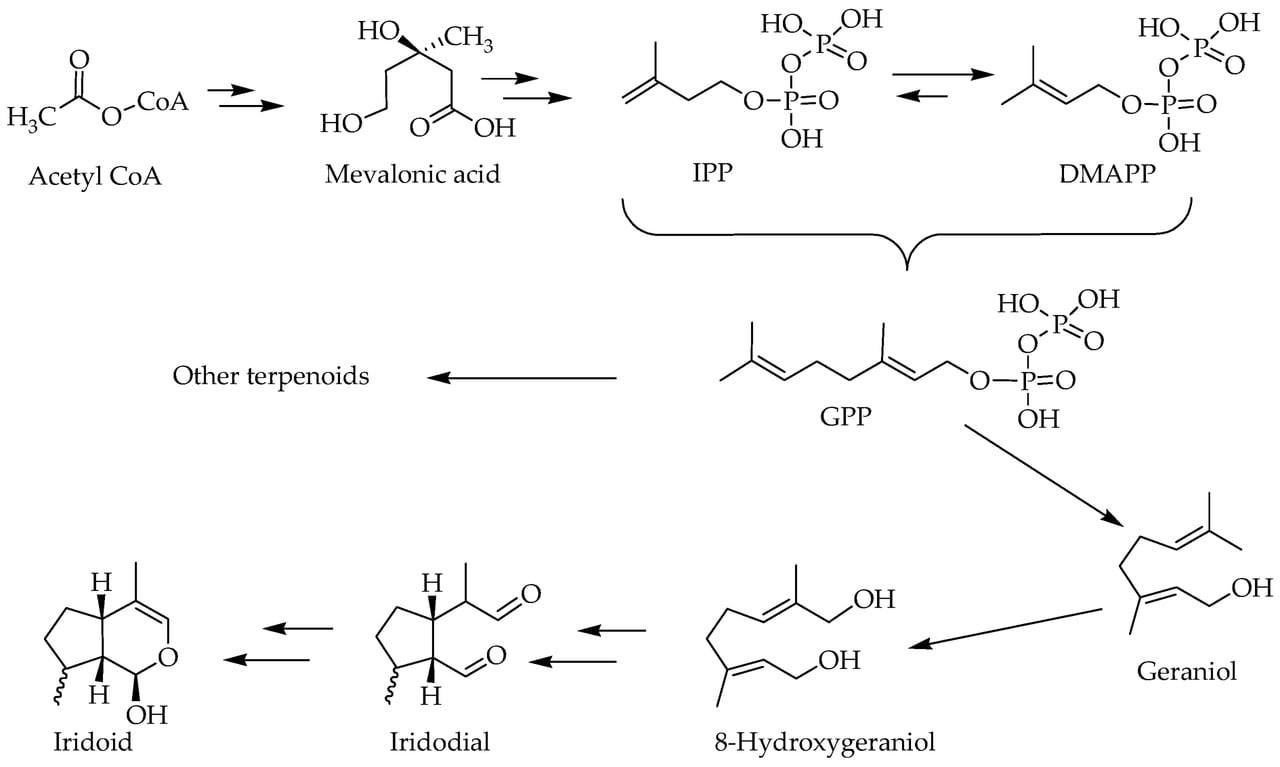
Geraniol is an unsaturated acyclic alcohol belonging to the monoterpenes (see Fig. 1). Geraniol has a floral scent and is widely distributed in the plant world — it is found in the essential oils of rose, geranium, lemon, lemongrass, as well as in lychee, grapes, and others. It has been found to have antibacterial properties and is used by plants for protection against bacterial infections; geraniol also repels pests and attracts beneficial insects that are their natural enemies — parasitoid wasps (Terebrantes) and flesh flies (Sarcophagidae). In plants, geraniol is formed from geranyl diphosphate (a universal precursor of all monoterpenes, whose isoprenoid structure is synthesized de novo from acetyl-CoA, see Fig. 2) by the enzyme geraniol synthase. Geraniol synthases have been isolated from basil, camphor tree, periwinkle, and other plants. In insects, geraniol is also present: in honeybees it serves as a pheromone, and in leaf beetles (Chrysomelidae) it gives rise to protective substances called iridoids, etc.
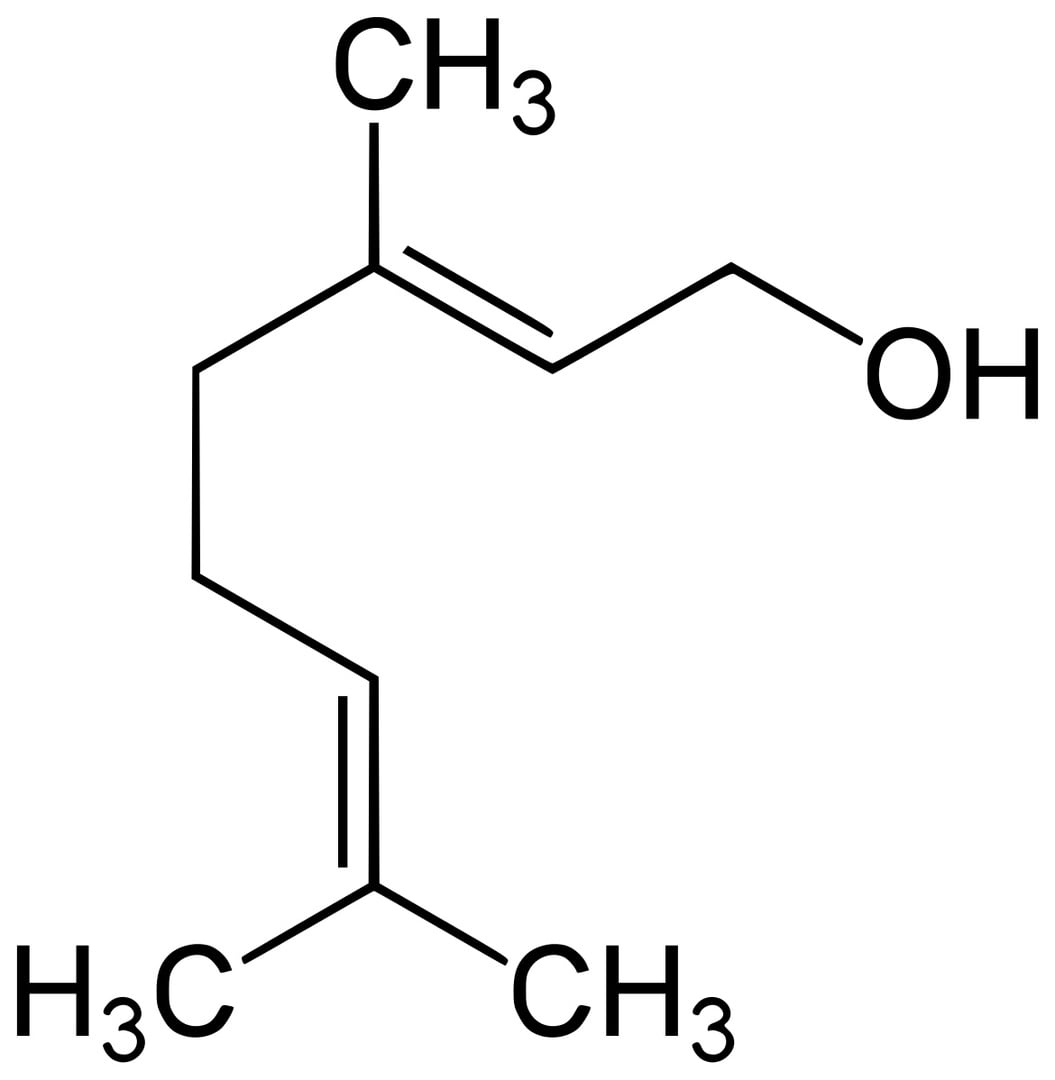
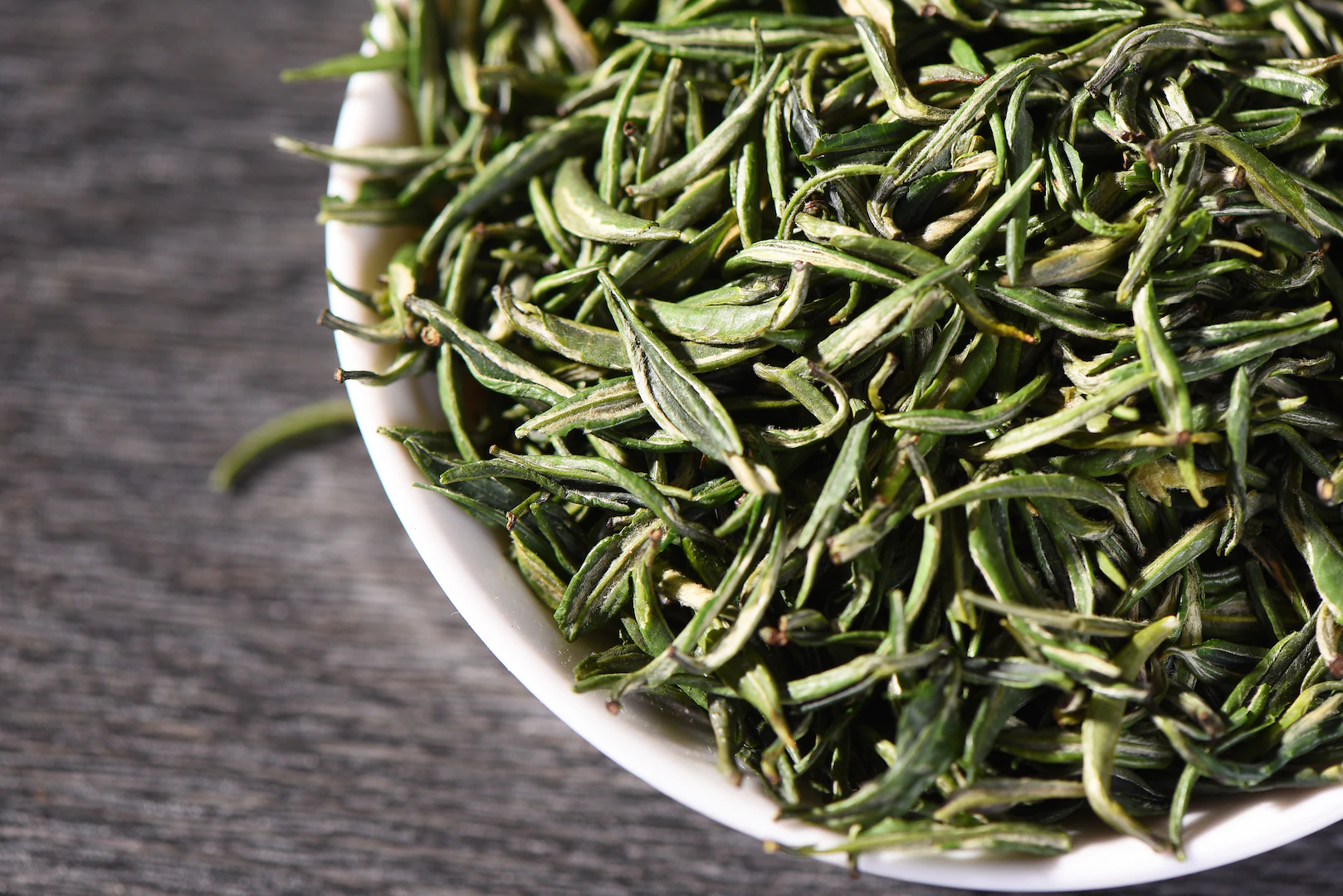
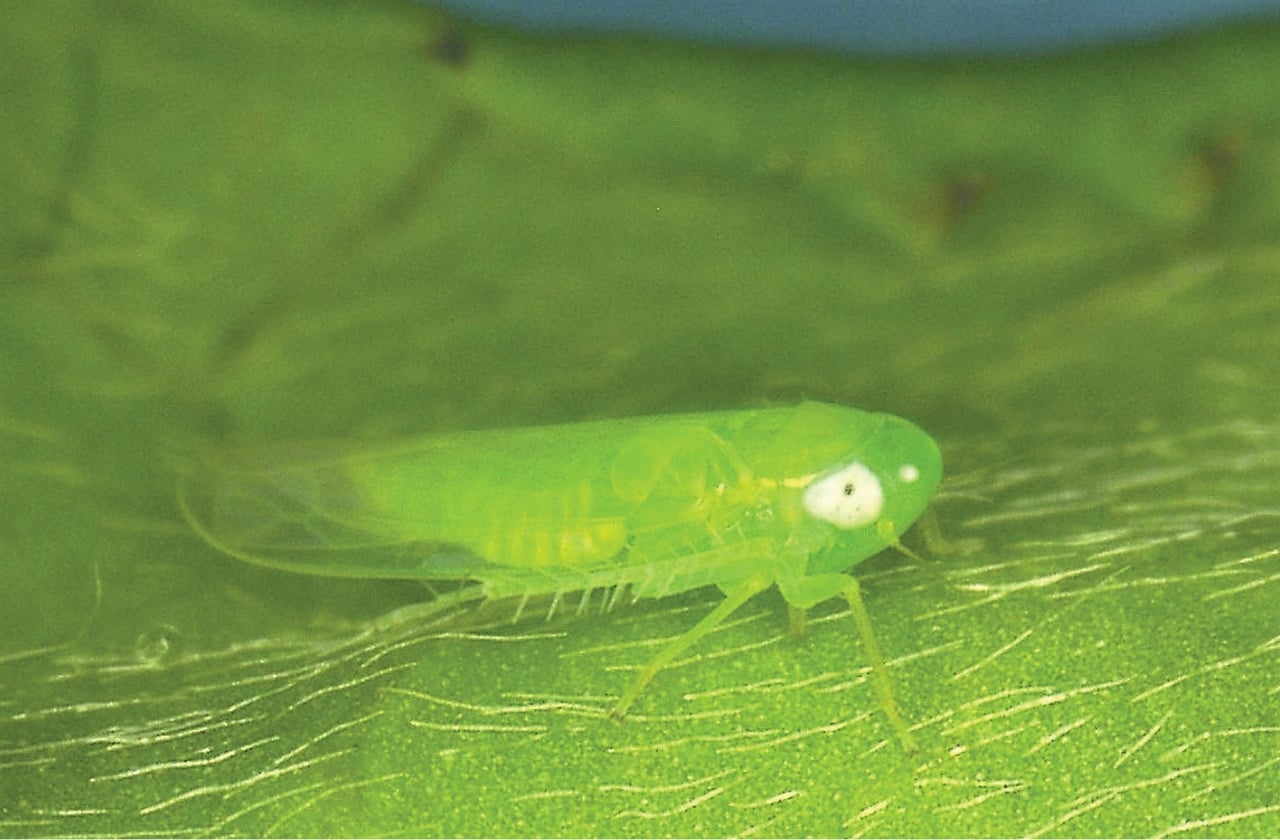
Geraniol is an important flavor and aroma component of tea — particularly oolong and black teas. The green tea leafhopper Empoasca (Matsumurasca) onukii Matsuda (see Fig. 3), familiar to some tea enthusiasts, significantly increases the geraniol content in young tea shoots when it attacks them. Empoasca flavescens in Darjeeling and Jacobiasca formosana in Taiwan interact with the tea bush in roughly the same way.
It would be logical to assume that this occurs through activation of the tea leaf’s geraniol synthase, similar to what happens with linalool, another important monoterpene alcohol: sustained mechanical damage increases the expression level of genes for two different linalool synthases, and the increase in their activity leads to a sharp rise in linalool concentration. However, scientists from the Applied Botany Laboratory in Guangdong Province and the Laboratory for Molecular Analysis and Genetic Modification of Crops in Southern China discovered that this is not the case. The results of their work were published at the end of 2019 in the journal Biomolecules.
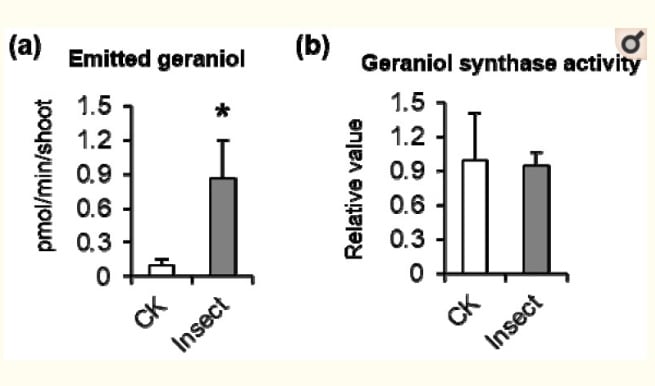
Zhou Yin and colleagues found that although the concentration of geraniol in tea leaves bitten by leafhoppers is nearly an order of magnitude higher than in normal leaves, geraniol synthase activity in them does not increase but even slightly decreases (see Fig. 4). So where does the geraniol come from?
The scientists prepared an extract from the leafhoppers and added geranyl diphosphate as a substrate — and this reaction mixture began producing geraniol. This means that the enzyme capable of cleaving geranyl diphosphate to produce geraniol was contained in the leafhoppers themselves. But isolating it and determining its structure was not straightforward.
The entire transcriptome — that is, the collection of all mRNAs (the same type of mRNA on which the Pfizer COVID-19 vaccine is based) — was completely extracted from the leafhoppers, and after reverse transcription it was fully sequenced. Then, nucleotide sequences matching those in the genes of already known terpene synthases were identified. And finally, so-called open reading frames were constructed — that is, the portion of the nucleotide sequence between the START and STOP codons along with non-coding segments, not containing a termination codon. Not long ago, such things were only theoretically possible, and now it is a routine research method. Fantastic!
These leafhopper genes reproduced under laboratory conditions were introduced into E. coli and the Sf9 cell line (a cell line derived from the testicular tissue of the moth Spodoptera frugiperda, used as a biological machine for protein production) using vectors. Then the geraniol synthase activity of the resulting protein was examined. Additionally, in this work the terpene synthases of other insects were analyzed and their phylogenetic tree was constructed, and it turned out that the geraniol synthase of tea leafhoppers differs significantly from similar enzymes in other insects — but this is no longer related to tea.
In addition to geraniol synthase, the bacteria Acinetobacter johnsonii were found in the leafhoppers. Bacteria of the genus Acinetobacter are widespread endosymbionts of insects. Endosymbiotic bacteria play an important role in insect adaptation to the environment: they help insects absorb food, break down pesticides, and influence their reproduction. Some Acinetobacter thus contribute to pest resistance to insecticides. But nonetheless, the role of Acinetobacter johnsonii in the green tea leafhopper’s organism remains unclear.
It also turned out that geraniol effectively inhibits the growth of Acinetobacter johnsonii. But exactly why the leafhoppers secrete an enzyme that, upon contact with geranyl diphosphate contained in tea leaves, produces geraniol that inhibits the growth of bacteria living inside them — bacteria that are theoretically beneficial and needed — is not clear and requires further research. However, the tea plant has apparently adapted well to this — after all, its own geraniol synthase is not activated during a leafhopper attack.
Conclusions: during a green leafhopper attack, along with the activation of tea plant enzymes responsible for releasing flavor compounds (as in the case of linalool), the enzymes of the leafhoppers themselves also act, likewise influencing the chemical composition, aroma, and taste of the tea. Just remember that all of this concerns only the nuances of taste and aroma, the expression of their individual shades. Although the above is extremely fascinating, Dong Fang Mei Ren is made by people, and in its fundamental characteristics the flavor and aroma profile of Peng Feng is the result of both technology and the battle between plants and insects, whose protagonists are genes, enzymes, and their substrates.
Source: Tea shop “Owl and Panda”