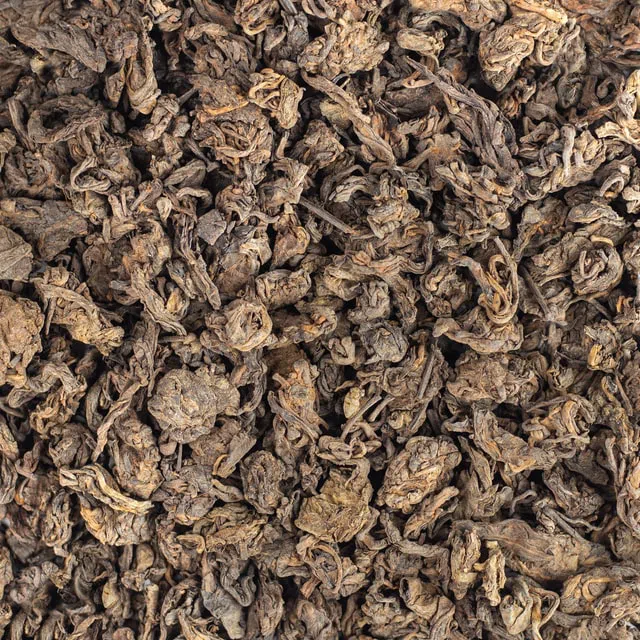
Fungi and bacteria in puer teas
While preparing for last year's 'Czaisz' festival, I found an interesting article, and only now I remembered that I wanted to share it.
While preparing for last year's 'Czaisz' festival, I found an interesting article, and only now I remembered that I wanted to share it.
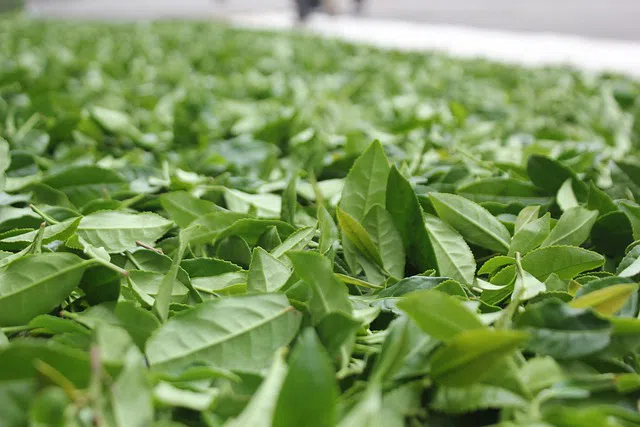
Sometimes the true origin of tea matters. Modern production technology is easy to replicate, and the appearance, taste, and aroma of famous teas are reproduced in other, non-native regions. Near-infrared spectroscopy offers an objective, instrumental solution to this problem.
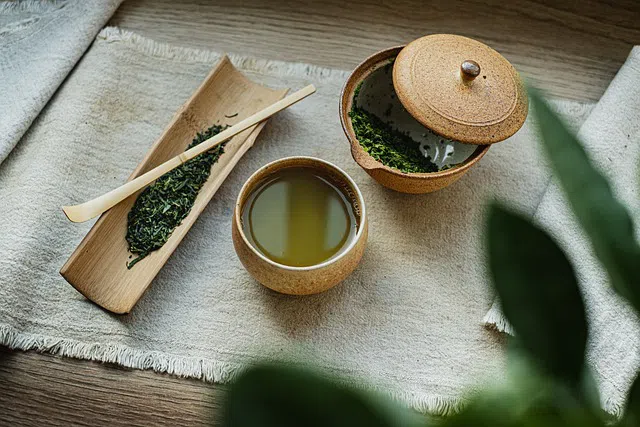
Today, the most popular Japanese tea is sencha, which accounts for more than half of all tea produced in Japan. But until the 18th century, such tea - tightly rolled into straight, long emerald-green needles with a fresh aroma, bright, transparent infusion, and a taste with distinct umami notes - did not exist in Japan.
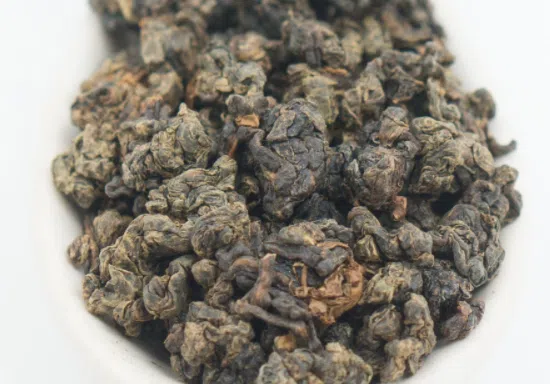
When talking about tea from a chemistry perspective, it would be a crime not to mention GABA teas, which are becoming increasingly popular. GABA, or gamma-aminobutyric acid, serves as the main inhibitory neurotransmitter in the nervous system.
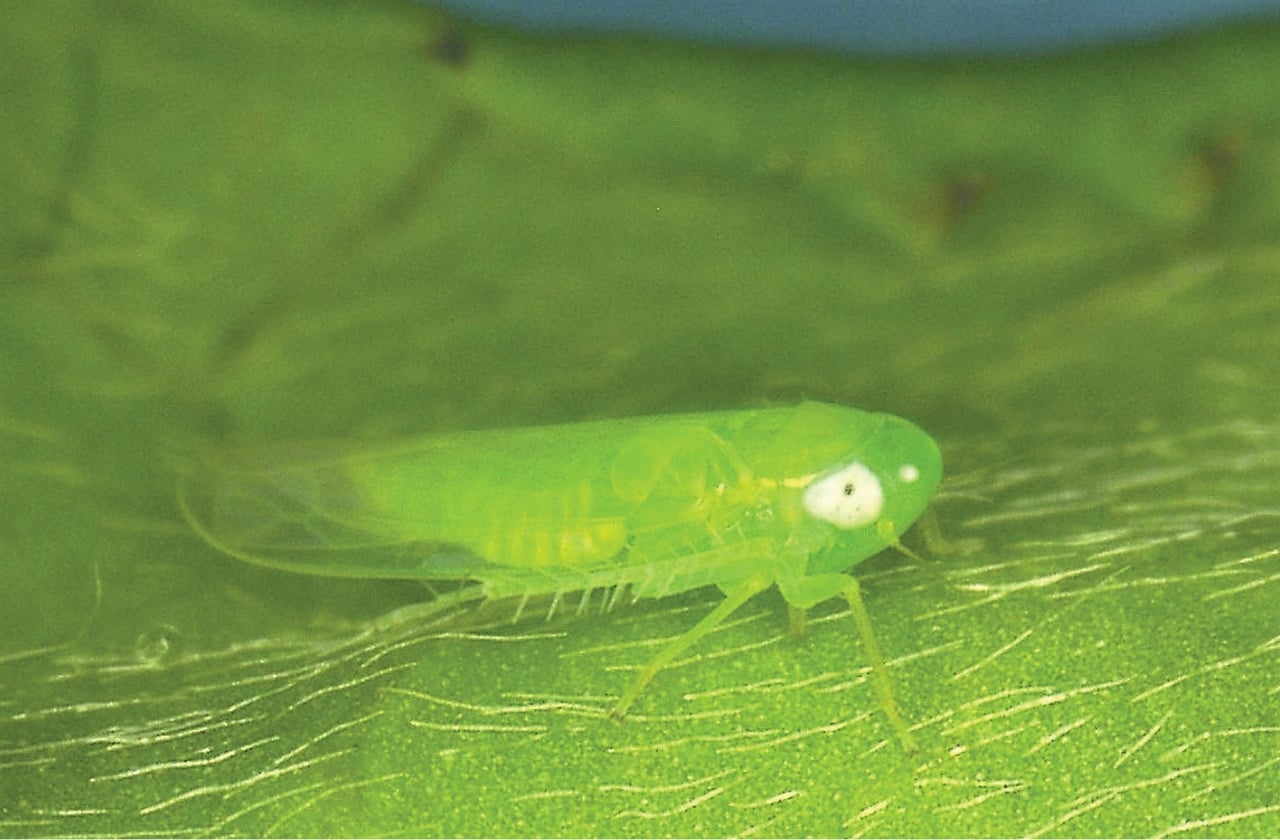
Last week many people were drinking Taiwanese oolong Dong Fang Mei Ren, in the production of which leafhoppers play an important role, so it would be useful to talk about them.